
I. Product Functions of the Laboratory Graphite Boat
A laboratory graphite boat is a dedicated sample carrier for analytical testing, thermogravimetric tests, and tube furnace sintering experiments. This graphite boat is used to hold solid powders, granules, and small specimens. The graphite boat is suitable for tube atmosphere furnaces, vacuum sintering furnaces, and thermal analysis equipment, completing experimental processes such as ignition, pyrolysis, sintering, and elemental ashing of samples under vacuum or inert protective atmosphere. It is widely used in mining, new materials, metallurgical testing, and inorganic materials laboratories. Graphite oxidizes easily at high temperatures, so it is not suitable for long-term use in oxygen-containing environments above 500°C.
II. Structural Forms
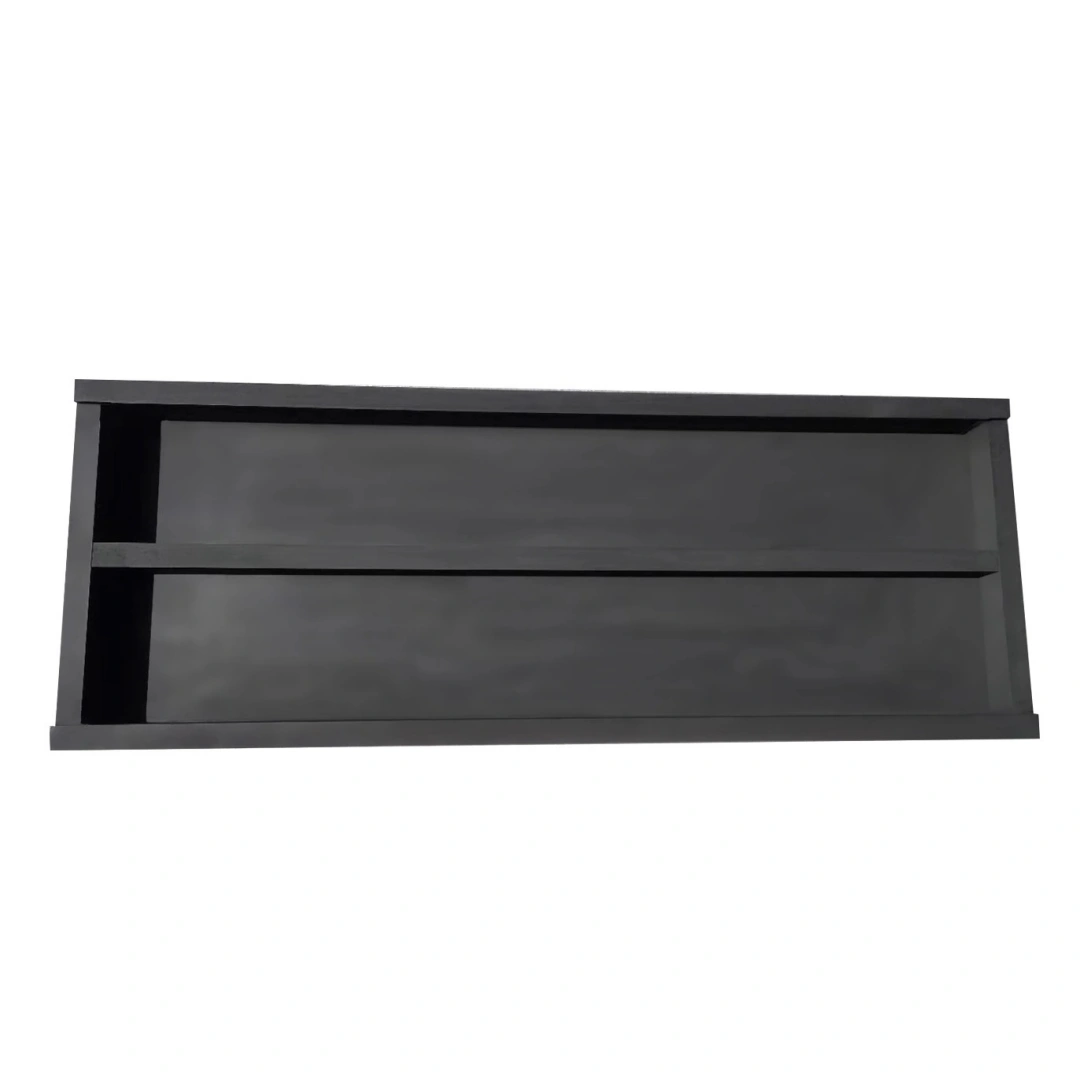
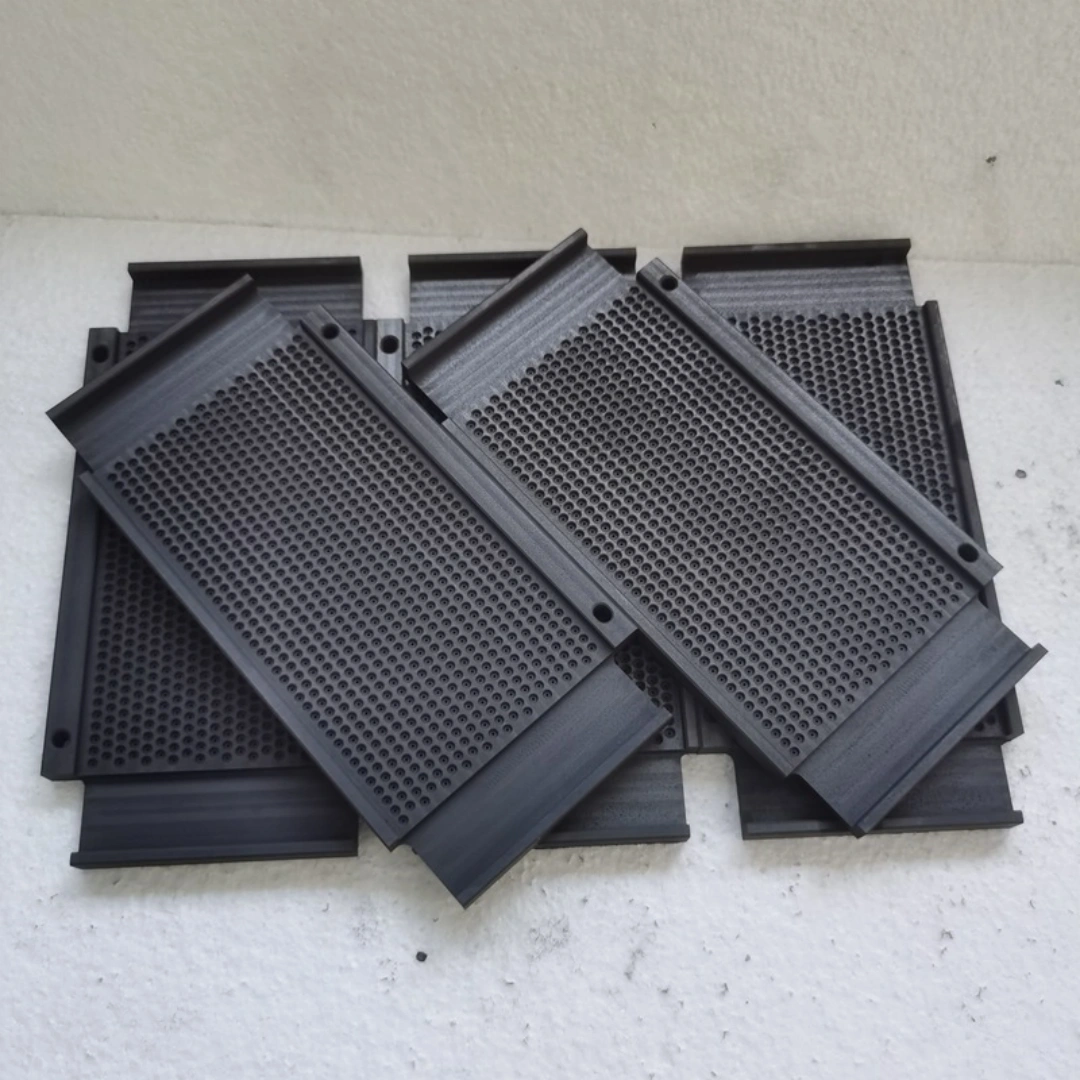
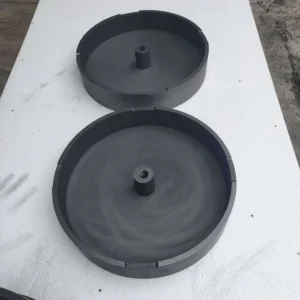
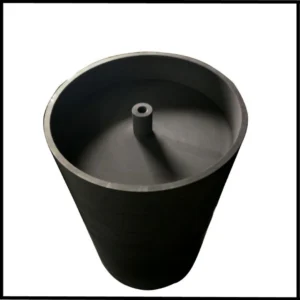
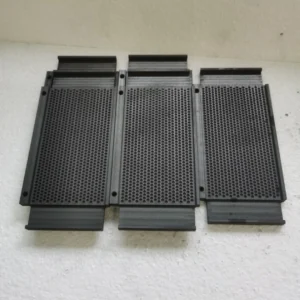
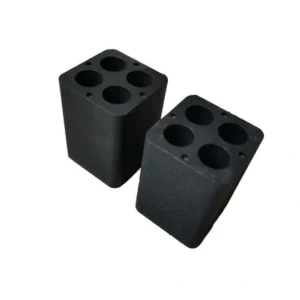
The graphite sample boat is an open-top long-trough boat structure. According to experimental sample loading, it is divided into three types: micro small boats, standard analysis boats, and large-capacity sintering boats. It can be machined with straight edges, raised rims, or end guide notches. It is precision-machined from fine-grain molded graphite or high-purity isostatic graphite. The graphite boat bottom can be customized in cavity depth, length and width, and corner structure according to customer drawings, supporting irregular and non-standard boat machining. For certain release or protection needs, a graphite boat bottom paint can be applied as an option. Graphite boats are widely used in tube furnaces and thermal analysis equipment for pushing and retrieving samples.
III. Product Features
-
High-temperature resistance and good chemical inertness: Under vacuum and inert atmosphere, it withstands high-temperature sample ignition. It does not easily react with most inorganic powders and metal samples, avoiding contamination of samples by vessel impurities and ensuring the accuracy of analytical data.
-
Uniform heat conduction and stable heating: Graphite has good thermal conductivity. Samples in the boat cavity are heated evenly, reducing local overheating and helping samples complete pyrolysis or ashing simultaneously.
-
Excellent machinability and flexible forming: It can be machined into special structures such as narrow deep cavities, shallow open tops, and end guide notches. It adapts to tube furnace chamber diameters and makes pushing and retrieving samples convenient.
-
Low outgassing and suitable for precision thermal analysis: After high-temperature purification and degassing treatment, it releases few volatiles at high temperatures, reducing interference with precision analytical equipment such as thermogravimetric analyzers and mass spectrometers.
Product Limitations
-
Above 500°C in an oxygen-containing environment, it oxidizes and wears very easily. For high-temperature ignition experiments, argon, nitrogen protection, or vacuum conditions are preferred.
-
Graphite is noticeably brittle. When handling or pushing the boat, do not hit the edge of the trough, as chipping easily occurs.
-
After repeated high-temperature and cooling thermal cycles, the cavity surface will gradually show slight erosion. It is a laboratory consumable and requires periodic replacement.
-
Some strongly alkaline molten samples will erode the graphite inner wall. The chemical conditions of the sample should be evaluated before the experiment.
IV. Core Performance Indicators
-
Material grain size: For conventional analysis, medium-fine grain (0.8–1.5 μm) is selected. For trace element analysis and precision thermal analysis, ultra-fine grain (≤0.6 μm) is selected. The finer the grain, the denser the surface and the less sample residue adsorption.
-
Resistivity: 9–17 μΩ·m. The internal structure of the material is uniform, heat conduction consistency is good, and the heating rate difference between different parts of the boat is small.
V. Material Selection Standards and Precautions
-
Forming material selection
For ordinary sintering and conventional ore sample ignition experiments, fine-grain molded graphite (multiple impregnation and baking process) is selected. It is cost-effective and meets the ignition needs of most laboratory samples. For trace element detection and high-purity material thermal analysis experiments, isostatic high-purity graphite is preferred. The material is isotropic, with few pores, reducing the risk of sample adsorption contamination. Extruded graphite has obvious anisotropy and is prone to cracking under thermal cycling, so it is not suitable for making laboratory sample boats. -
Purity selection requirements
For trace metal element analysis experiments, high-purity, low-ash graphite materials must be selected to prevent trace impurities released from the graphite from interfering with analytical results. For ordinary sintering experiments, standard high-purity grades can be used. -
Working condition adaptation requirements
For tube furnace experiments with frequent thermal cycling, high-density graphite blanks are preferred to reduce surface erosion under thermal cycling. During the high-temperature ignition stage, an inert protective gas should be introduced as much as possible to delay graphite oxidation loss. -
Assembly and use requirements
Push the sample boat in and out of the tube furnace chamber smoothly. Hard pushing and impact are prohibited. Gradient heating is recommended to avoid severe thermal shock and reduce the risk of boat cracking. -
Machining process requirements
The inner cavity wall of the boat should be precision-machined and polished to reduce open pores and reduce adsorption residue of powder samples. All inner corners should have smooth transitions to eliminate stress concentration and reduce the probability of cracking under thermal cycling.
Reviews
There are no reviews yet.