
I. Graphite Plate Product Overview
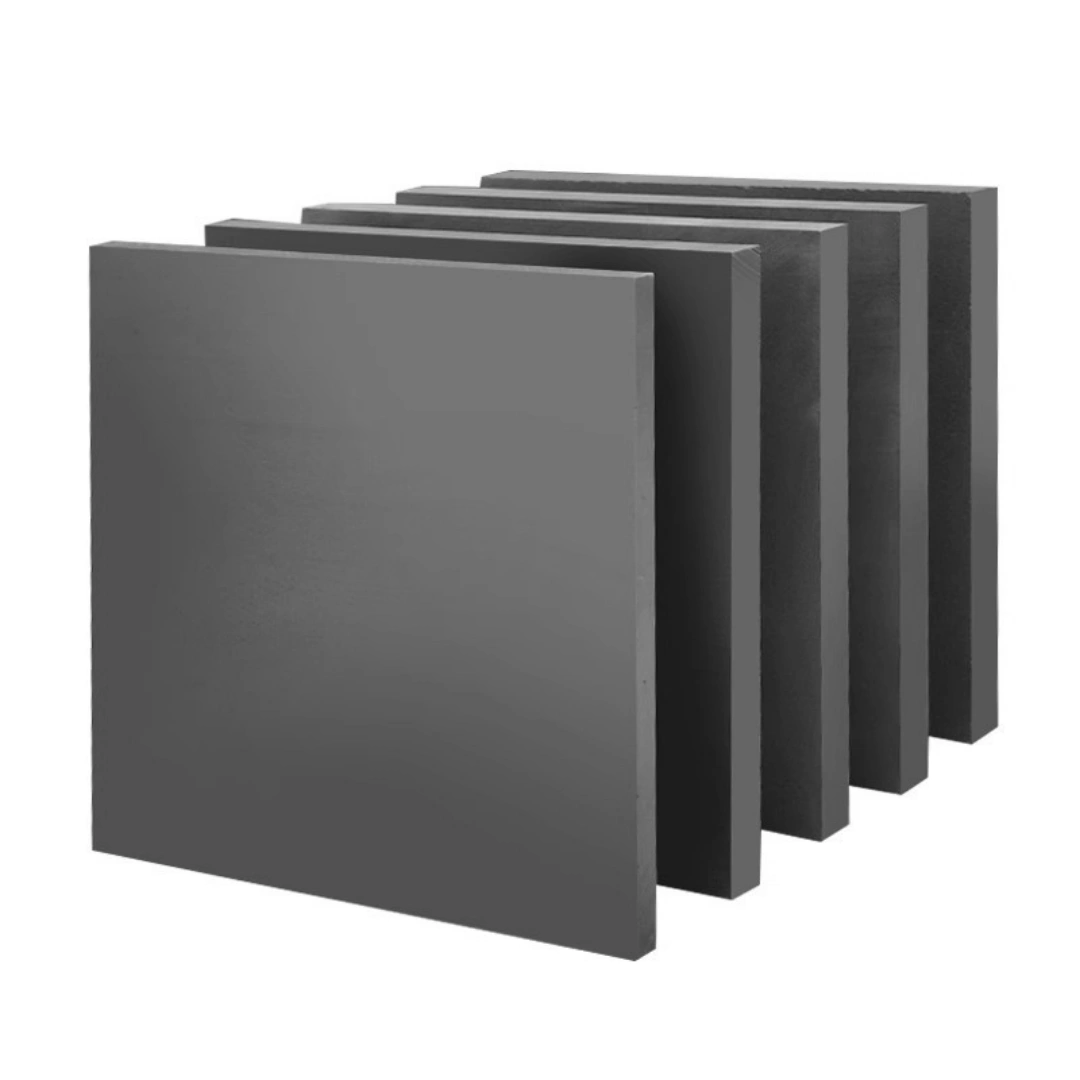
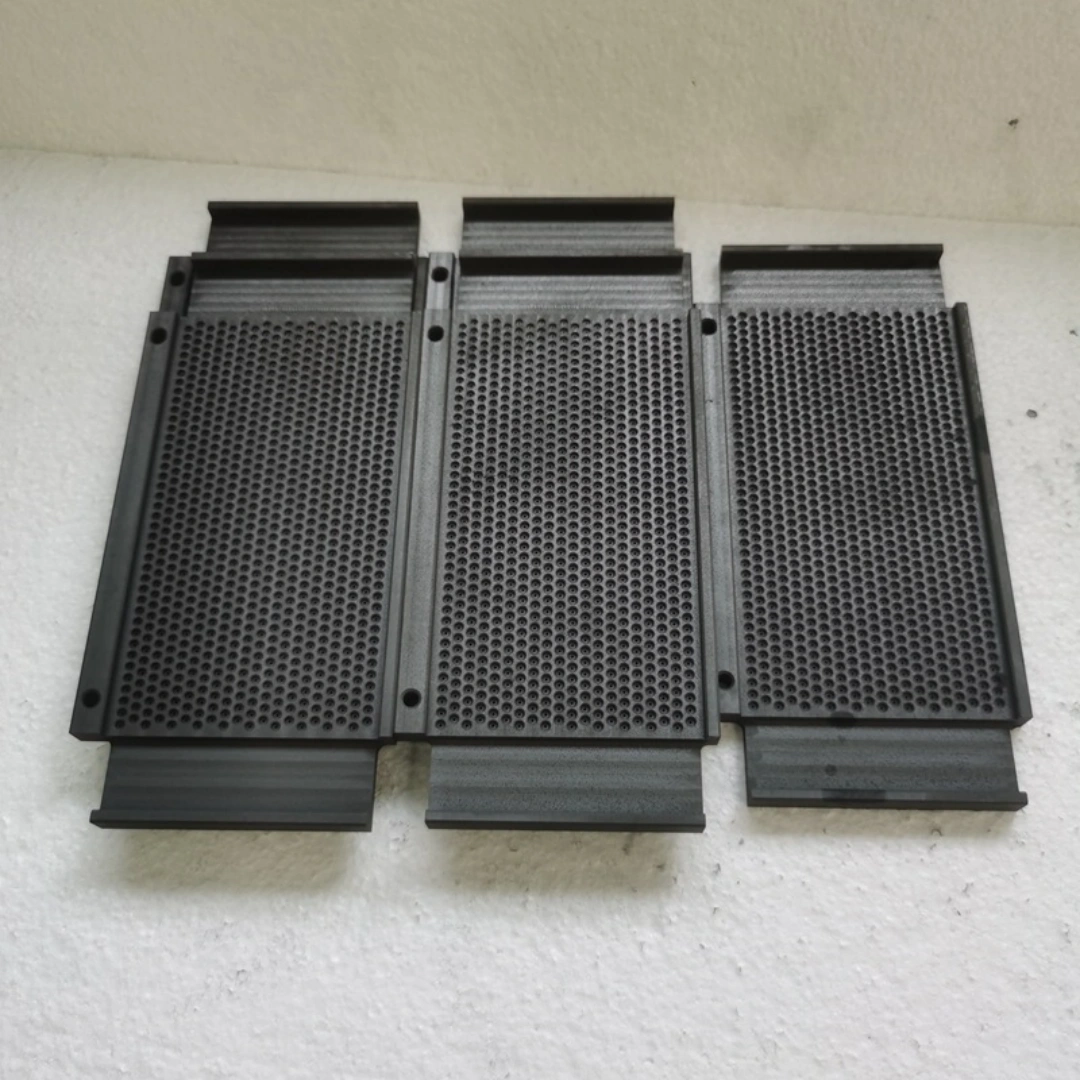
Vacuum furnace graphite plate load-bearing materials are core supporting plate consumables in the vacuum furnace thermal field. They are custom-made for high-temperature furnace chamber conditions. The entire series is precision-machined from high-purity carbon material and is suitable for high-vacuum, argon, and nitrogen inert atmosphere environments. It is widely used in vacuum sintering, heat treatment, brazing, annealing, and other processes.
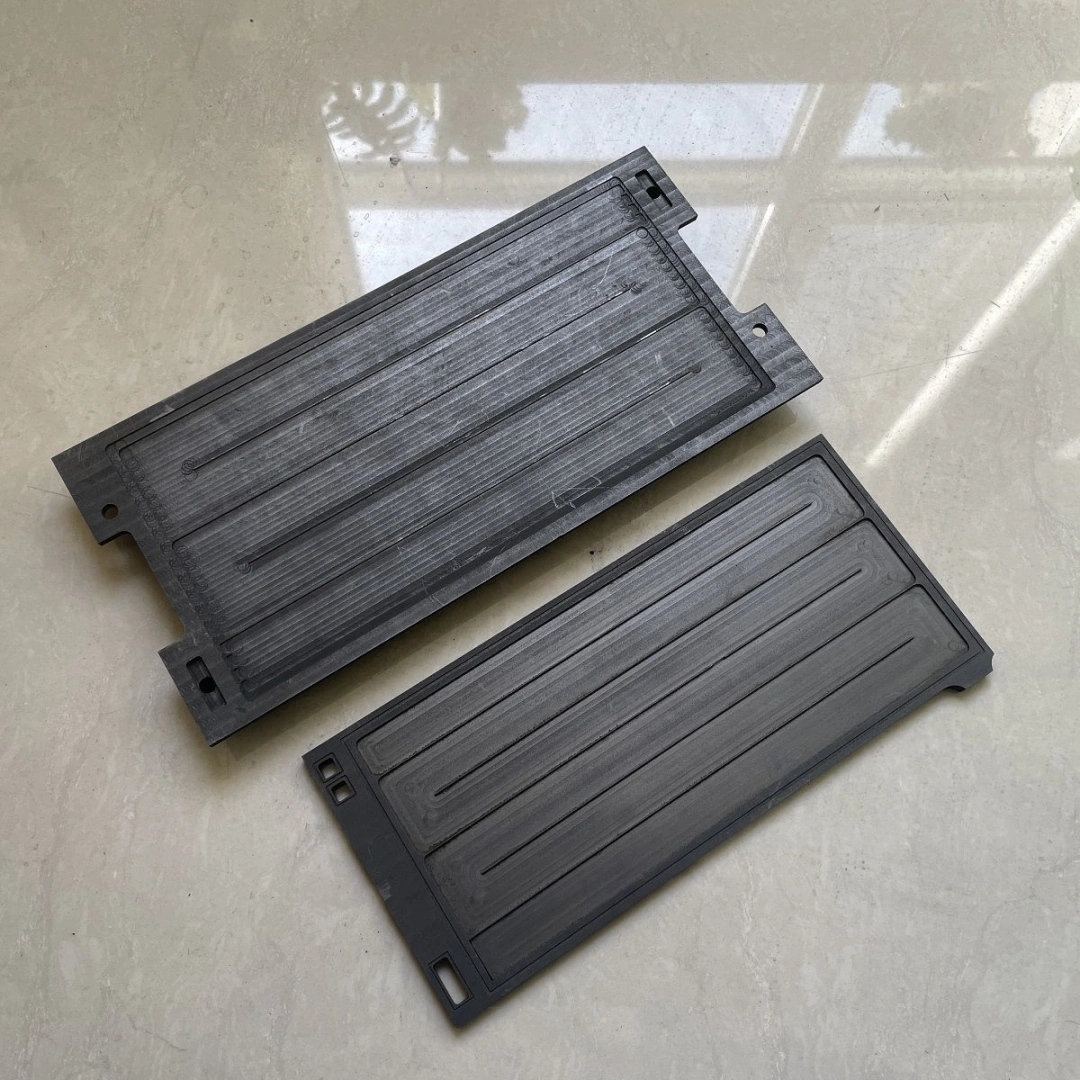
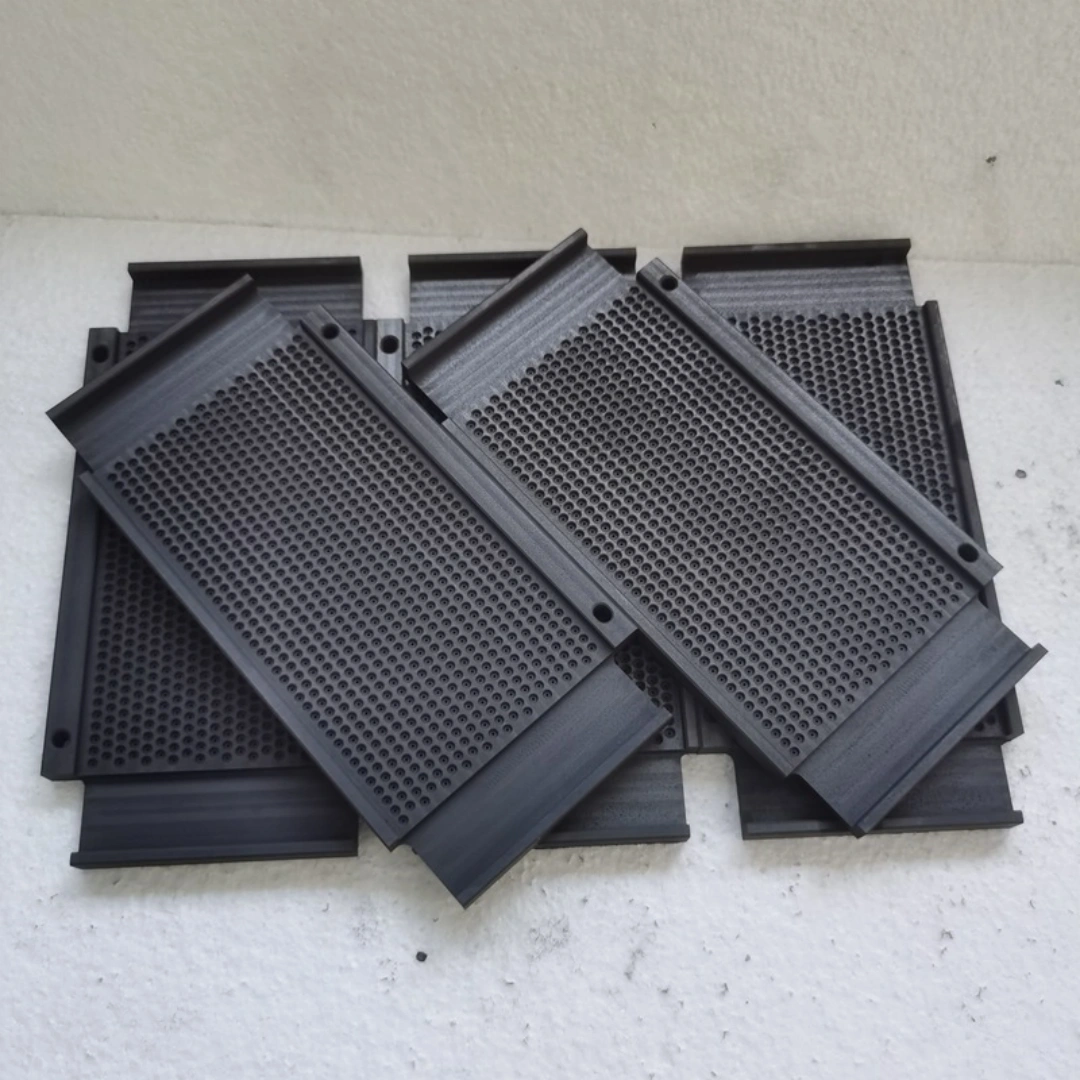
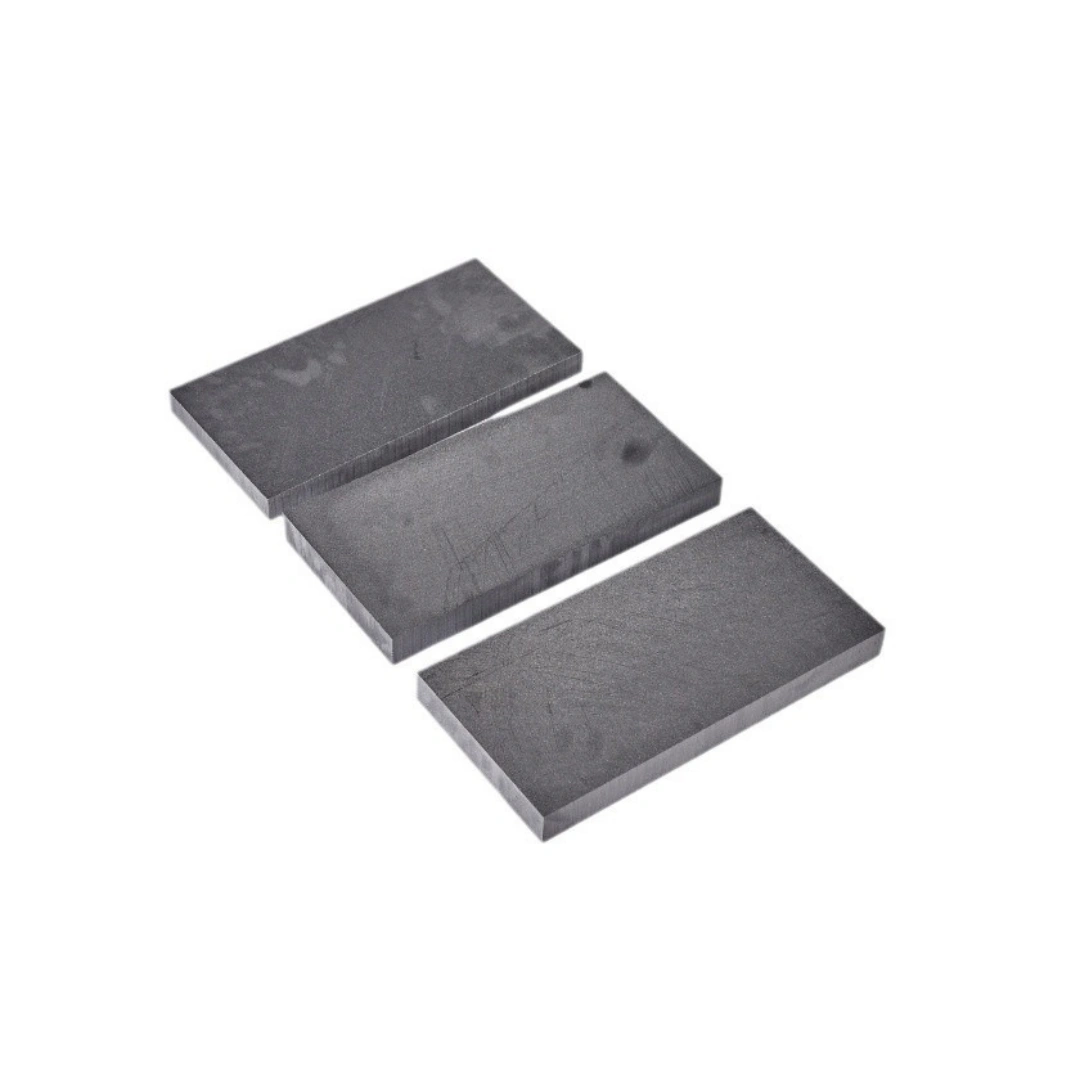
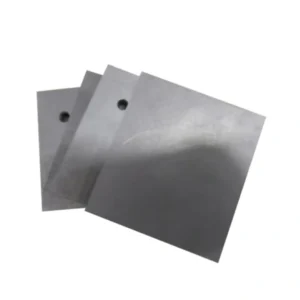
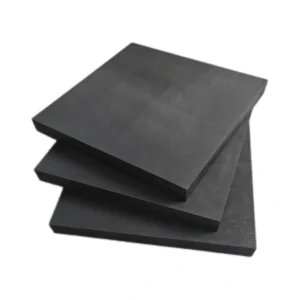
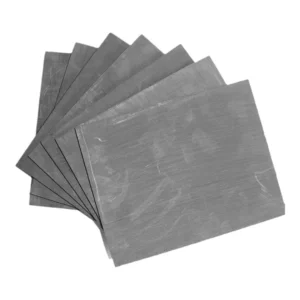
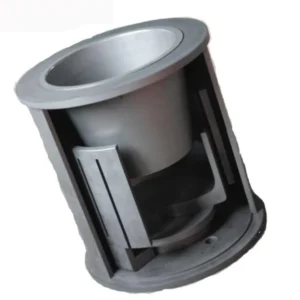
This graphite plate series integrates four core plate types: graphite workpiece material trays, graphite load-bearing base plates, vacuum furnace graphite bed plates (furnace bed base plates), and graphite slide plates (slip plate graphite). It covers the full range of vacuum furnace applications from furnace body fixed bases, workpiece load-bearing, to sliding discharge protection. All graphite plate products in this series offer uniform heat conduction, strong thermal stability, low outgassing, and resistance to high-temperature deformation. They all support non-standard size and structural customization. They are high-frequency replacement, highly adaptable supporting graphite components for vacuum furnaces.
General use requirement: All plates in this series must not be used in high-temperature oxygen-containing environments. They are only suitable for vacuum or inert atmosphere conditions.
II. Series Product Subdivision and Functional Differences (Core Distinctions)
The four types of Graphite Plate all belong to the vacuum furnace load-bearing plate system, but their installation positions, core functions, force modes, and service lives are completely different. They have clear divisions of labor and are used together to cover all load-bearing needs of the furnace chamber:
1. Vacuum Furnace Graphite Material Trays and Graphite Load-Bearing Base Plates
Positioning: Replaceable workpiece load-bearing consumables (high-frequency wear parts).
Installed above thermal field support columns and beams, directly supporting various small loose materials, precision workpieces, and large finished products. Their main role is orderly workpiece placement and balanced heat conduction. They do not bear the core structural load of the furnace body. They can be individually replaced at any time according to production loss. They are the most commonly used consumable plates in vacuum furnaces.
Structural styles: Support solid flat plates, hollow/grid types, and special-shaped slotted limiting types, adapting to different workpiece ventilation, heat uniformity, and positioning needs.
2. Vacuum Furnace Graphite Bed Plate (Graphite Bed Plate)
Positioning: Furnace body fixed base plate (low-frequency wear structural part).
It is the core base plate at the bottom of the vacuum furnace thermal field and is a fixed assembly structure of the furnace chamber. It is usually formed by splicing multiple pieces. It is the load-bearing base for the entire furnace thermal field, all support structures, and workpiece plates. It mainly bears static overall loads, and has extremely high requirements for compressive resistance, flatness, and thermal stability. It is standard equipment from the factory and has a long service life under normal conditions, with very rare replacement.
Core function: Establish a flat foundation at the bottom of the furnace chamber, bear the weight of the entire thermal field structure and workpieces, and ensure the stability of the whole furnace process.
3. Graphite Slide Plates (Slip Plate Graphite)
Positioning: Sliding protective wear-resistant liner (dedicated consumable for push-pull charging).
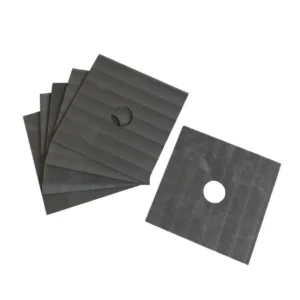
Specifically suitable for vacuum furnaces with push-pull charging carts and manual loading/unloading structures. A slip plate graphite is laid above the graphite bed plate and below the graphite material tray/basket as an interlayer wear-resistant plate. It does not directly carry workpieces. Its core function is to reduce friction resistance during tray pushing and pulling, prevent the bed plate from being hard-frictionally gouged and scratched, protect the expensive furnace bed base plate, and greatly reduce furnace maintenance costs.
Graphite slide plates withstand long-term sliding friction wear. They are targeted wear-resistant consumables. Their replacement frequency is higher than that of furnace bed plates but lower than that of conventional material trays. At the same time, they are compatible with atmosphere sintering furnaces, pressure sintering furnaces, and other high-temperature equipment.
III. Common Core Features of the Whole Series
1. High-temperature stability and deformation resistance: In vacuum high-temperature environments, the coefficient of thermal expansion is low. Under repeated heating/cooling and loading/unloading cycles, they are not prone to warping, cracking, or deformation, making them suitable for long-term continuous production.
2. Uniform heat conduction and high process consistency: Graphite substrate has excellent thermal conductivity, and the plate surface temperature distribution is balanced. It can effectively eliminate local temperature differences in workpieces and improve the qualified rate of sintering and heat-treatment products in the whole furnace.
3. High cleanliness and low outgassing: The plates are formed by high-density processes plus high-temperature degassing treatment. They have low internal porosity, no impurity precipitation at high temperatures, no volatilization, and no workpiece contamination. They are suitable for high-end heat-treatment processes for precision parts.
4. Strong customizability and wide versatility: These carbon graphite parts can be customized in length, width, thickness, hollowing, slotting, and limiting structures according to customer furnace chamber dimensions, workpiece specifications, and process requirements. They are fully adaptable to various vacuum furnace models.
5. Convenient operation and maintenance, controllable cost: These graphite tools and consumable plates can be individually disassembled and replaced without modifying the furnace body or the main thermal field structure. Replacement is simple, downtime is short, and equipment operation and maintenance costs are greatly reduced.
IV. Common Product Limitations (Industry-Common Issues)
1. Weak oxidation resistance: They oxidize and wear rapidly in high-temperature oxygen-containing environments and must be used in vacuum or argon/nitrogen inert atmospheres.
2. High brittleness: Graphite is a brittle material. During installation, handling, and use, avoid heavy object impact, unilateral heavy pressure, and sharp collisions.
3. Normal operating loss: Under long-term ultra-high-temperature cyclic operation, the plates will show slight surface loss, which is a normal aging phenomenon of consumable products.
V. Material Selection Standards and Working Condition Adaptation (Common to the Whole Series + Subdivided Optimization)
1. Core material selection principles
Vacuum furnace load-bearing plates do not need to uniformly use high-cost isostatic graphite. The industry’s mature and cost-effective solution is fine-grain molded graphite (two impregnations and three bakings, high-density process). It has fine grains, high density, good plate flatness, and excellent thermal stability, fully meeting more than 95% of vacuum sintering and heat-treatment conditions, with the highest market penetration.
Upgrade solution for demanding conditions: For ultra-high cleanliness, ultra-high temperature, and ultra-high precision continuous production conditions, high-purity/ultra-high-purity isostatic furnace graphite plates can be customized to improve temperature resistance, cleanliness, and service life.
Prohibited material: Extruded graphite has large anisotropy, poor flatness, and insufficient stability. It is prohibited for use in all types of vacuum furnace load-bearing plates.
2. Subdivided material selection adaptation
• Graphite material trays and graphite slide plates: Fine-grain molded graphite is preferred for optimal cost performance, adapting to high-frequency replacement needs; upgrade to high-purity material for precision conditions.
• Graphite furnace bed plates: For conventional conditions, use high-density fine-grain molded graphite. For large continuous-production vacuum furnaces, isostatic graphite can be upgraded to improve structural stability.
3. Use and maintenance specifications
Operate under vacuum or inert atmosphere throughout to prevent high-temperature oxidation; avoid hard object impact and uneven local stress; regularly clean residual sintering debris and impurities on the plate surface to keep it flat and clean, effectively extending plate service life.
4. Machining process requirements
All plates in the series must ensure high surface flatness and uniform thickness; hollowed, slotted, and drilled positions must be free of chipping and burrs; all load-bearing edges and corners should have rounded transitions to avoid cracking and damage during high-temperature stress and assembly/disassembly, adapting to long-term cyclic use.
For example, This is the graphite component standard suitable for vacuum sintering furnaces for cemented carbide, ceramics, and powder metallurgy products, as well as for vacuum/protective atmosphere high-temperature sintering conditions. Such working conditions have certain requirements for impurities, and large-sized components carry a risk of thermal shock. For graphite component selection, refer to the following indicators:
| Grade | Bulk Density ≥ (g/cm³) | Flexural Strength ≥ (MPa) | Resistivity ≤ (μΩ·m) | Coefficient of Thermal Expansion (RT–600°C) ≤ (10⁻⁶/°C) | Ash Content ≤ (%) | Apparent Porosity ≤ (%) |
|---|---|---|---|---|---|---|
| DJY40 | 1.82 | 45 | 11 | 3.5 | 0.05 | 11 |
| DJY50 | 1.84 | 50 | 10 | 3.0 | 0.02 | 10 |
| DJY60 | 1.85 | 60 | 8 | 2.0 | 0.01 | 8 |
Selection Recommendations:
-
DJY40: Suitable for conventional vacuum/protective atmosphere high-temperature sintering conditions. It offers good cost performance and can be preferred for scenarios with general impurity requirements.
-
DJY50: Suitable for conditions with higher requirements for impurity control and thermal shock resistance. It can be used for larger-sized components.
-
DJY60: High purity, high strength, low ash content, and low porosity. It is suitable for demanding sintering conditions requiring high cleanliness, high requirements, large sizes, or frequent thermal cycling.
Reviews
There are no reviews yet.