
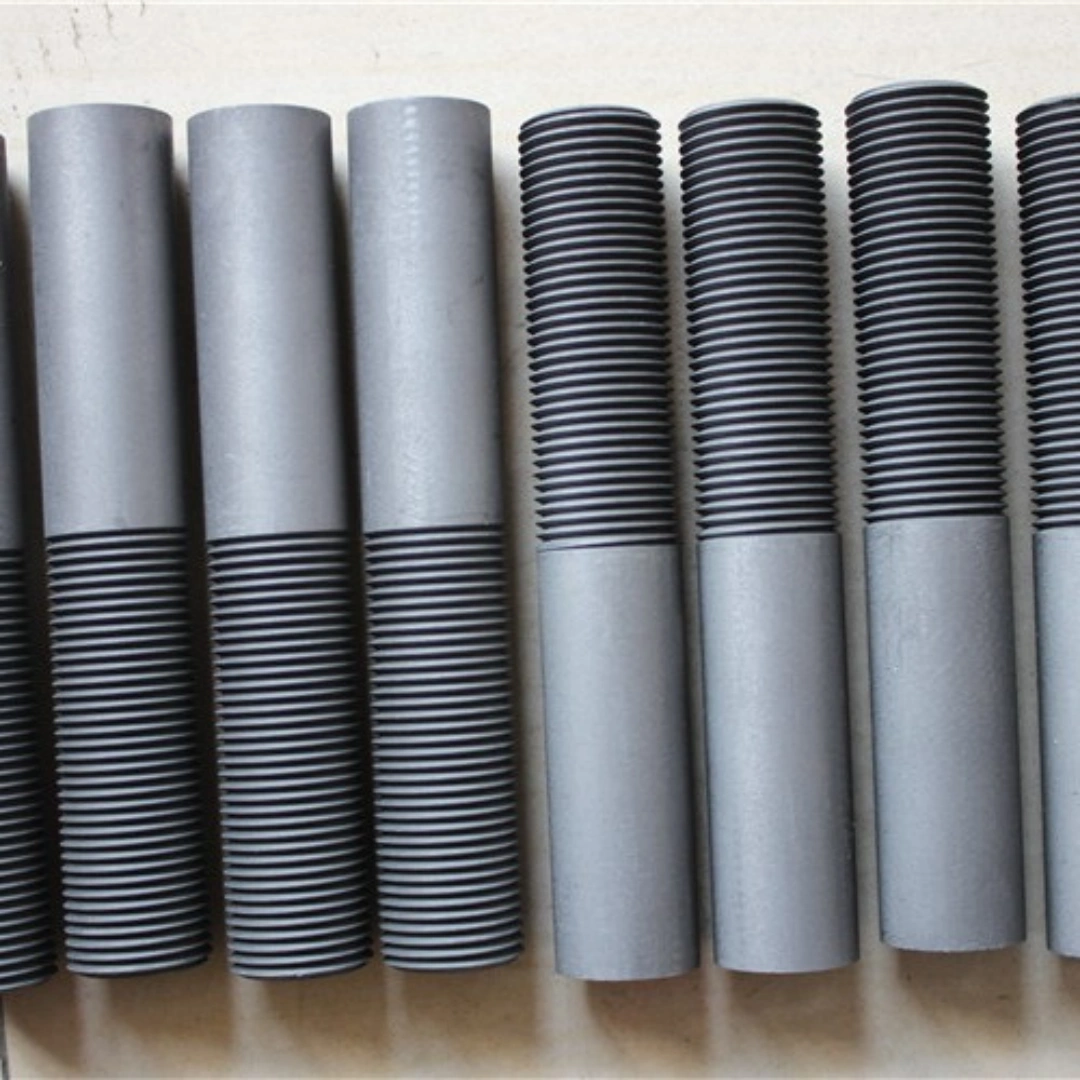
I. Product Functions of the Vacuum Furnace Graphite Fixture
A Vacuum Furnace Graphite Fixture is the core load-bearing and positioning component inside the thermal field of vacuum furnaces and inert-atmosphere high-temperature furnaces. This Vacuum Furnace Graphite Fixture mainly fixes heating elements, insulation layers, load-bearing beams, and other core thermal-field components. It performs overall thermal-field structural positioning and load-bearing functions, stabilizes the internal thermal-field geometry of the furnace chamber, and prevents offset, loosening, and deformation under high-temperature thermal cycling. It ensures continuous and stable operation of processes such as sintering, brazing, annealing, and vacuum heat treatment.
The product is suitable for high-vacuum, argon, nitrogen, and other inert protective atmospheres. It has excellent high-temperature mechanical stability and can withstand high-temperature static loads and thermal shock for long periods, while helping to regulate the furnace temperature field. Graphite oxidizes easily at high temperatures, so high-temperature use in oxygen-containing environments is strictly prohibited.
II. Structural Forms of vacuum furnace heating elements
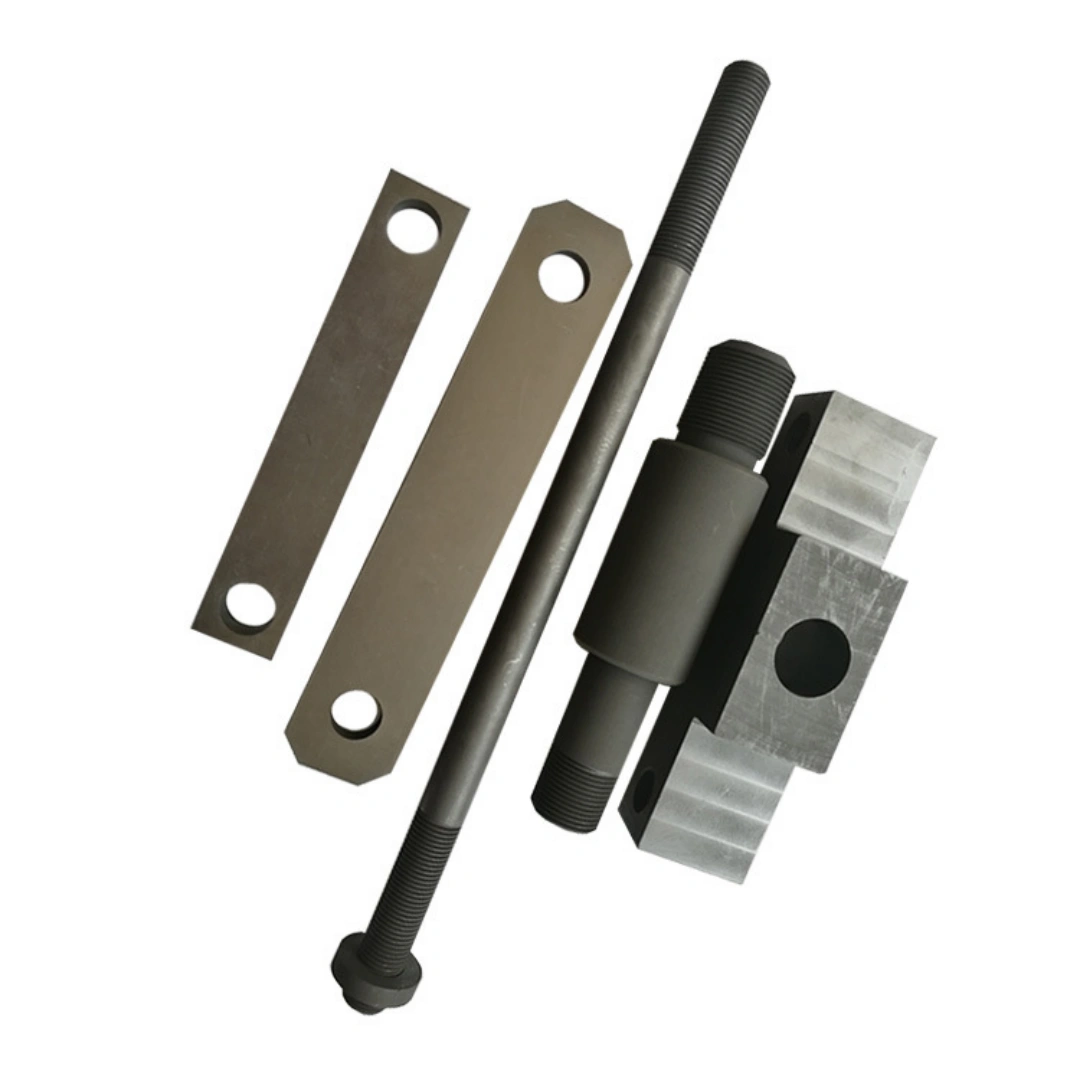
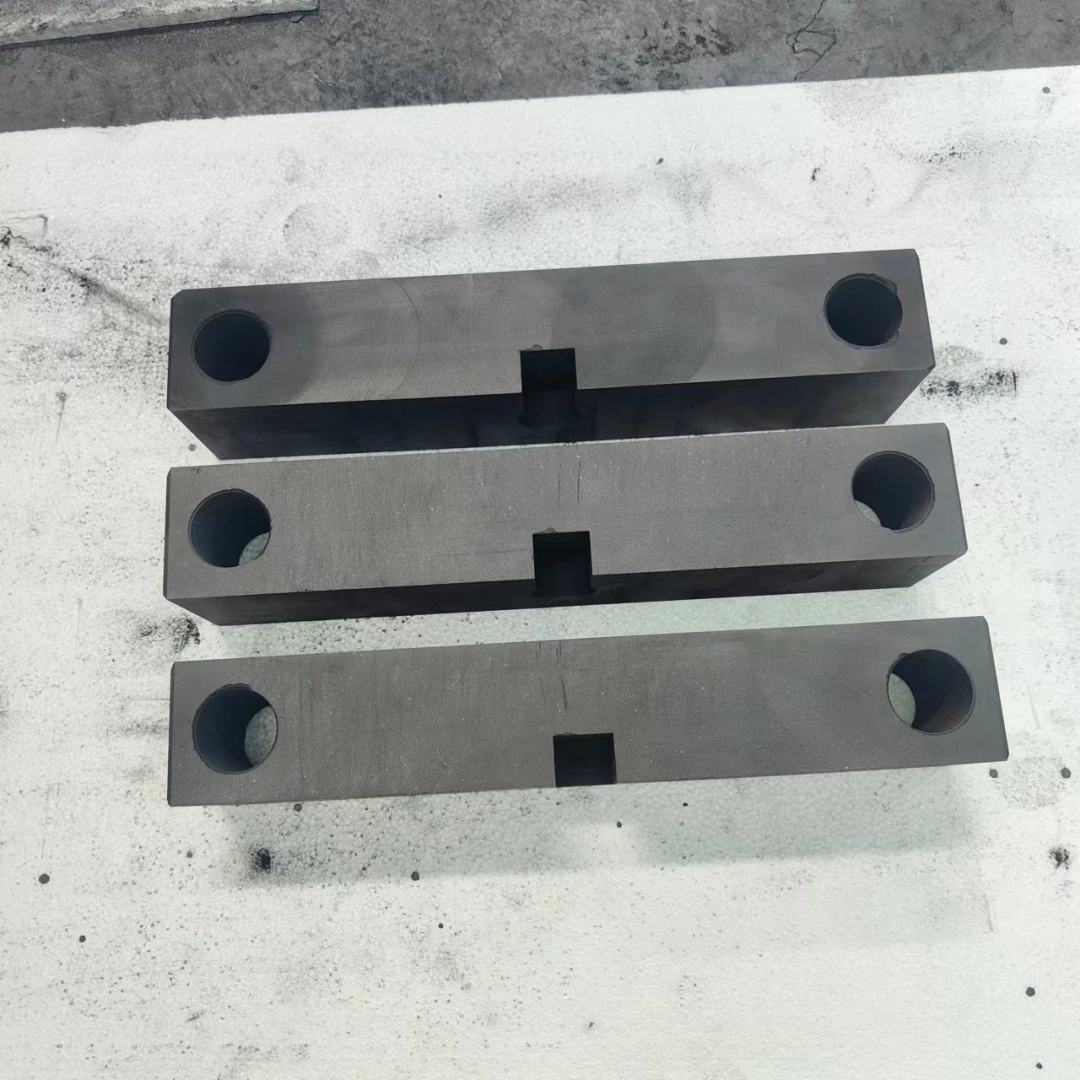
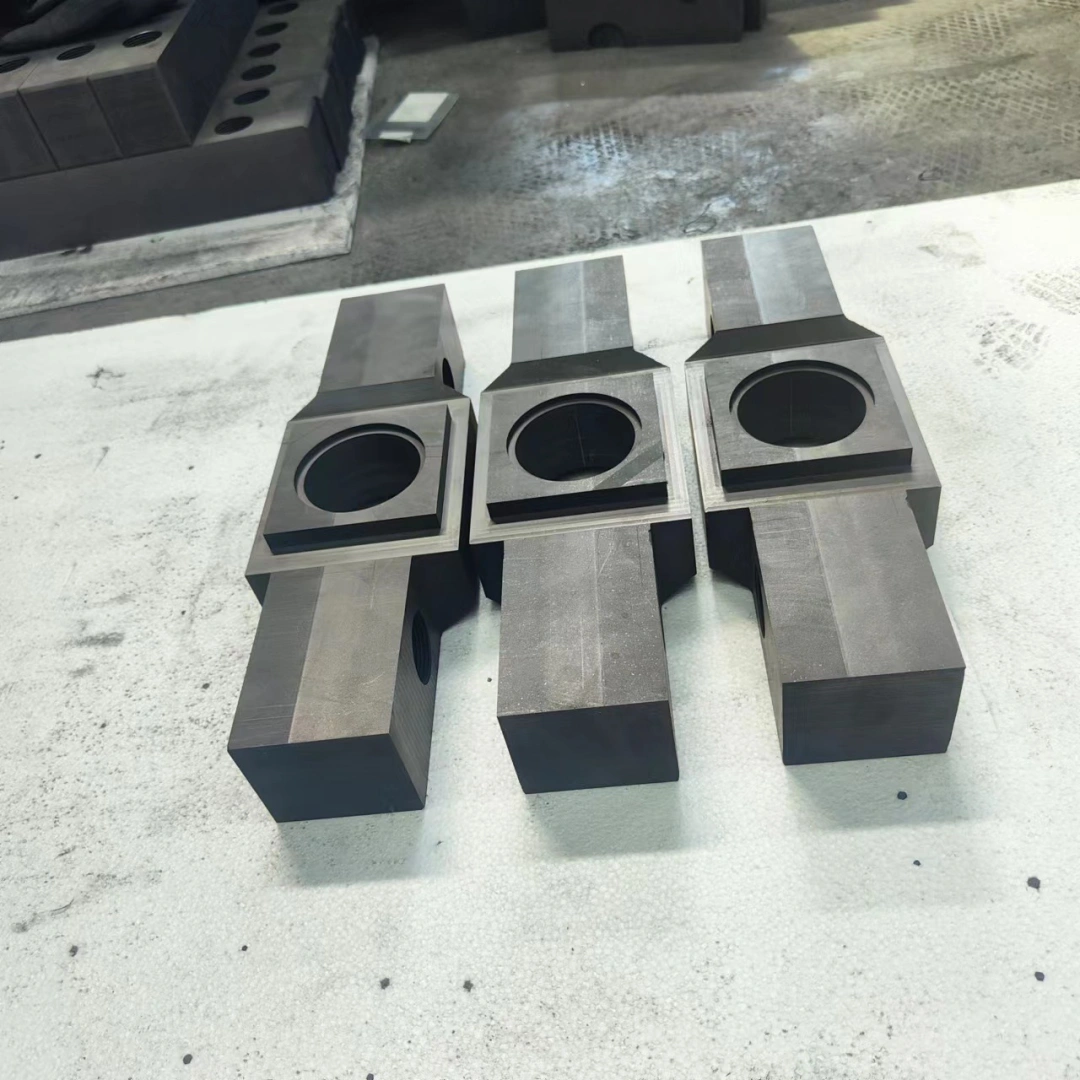
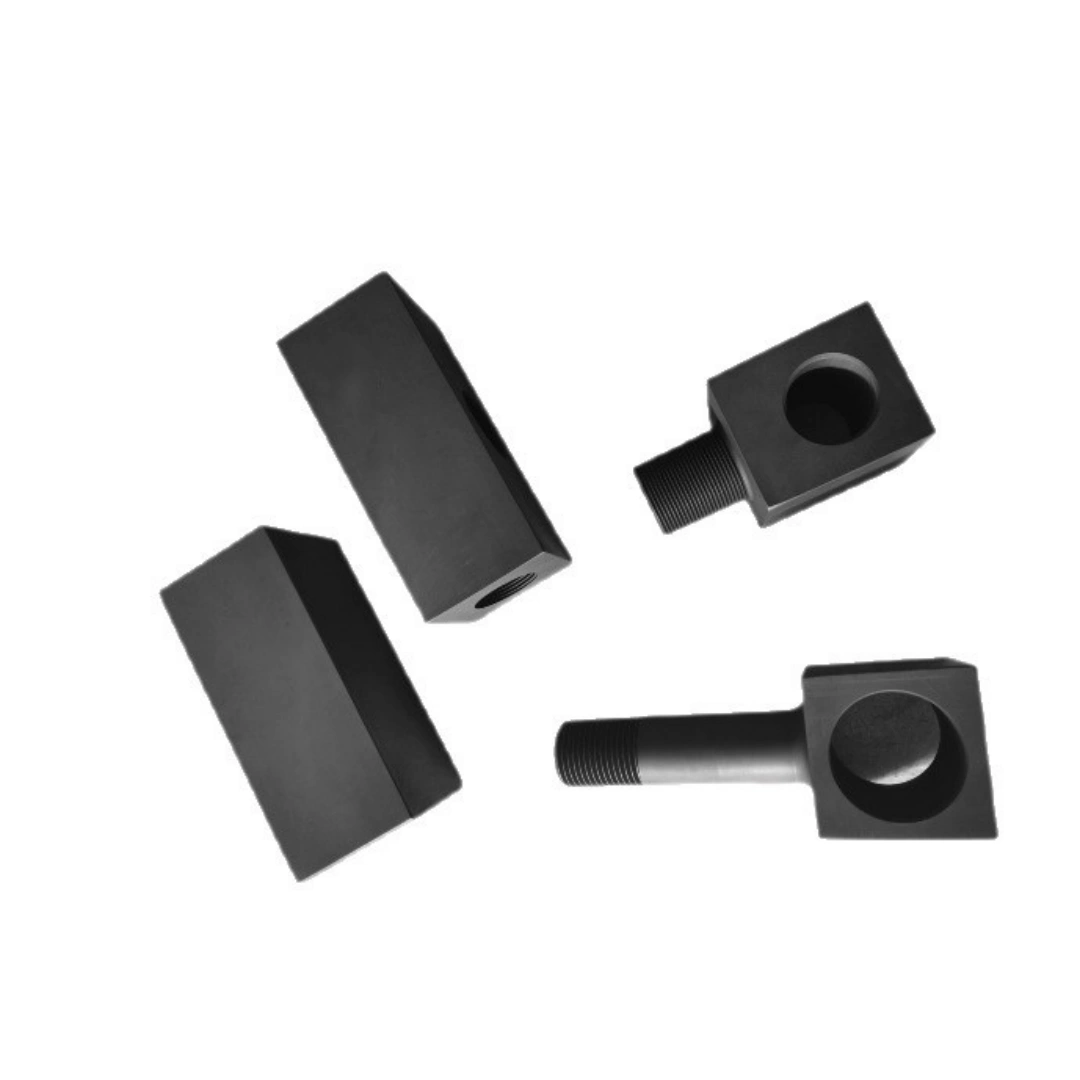
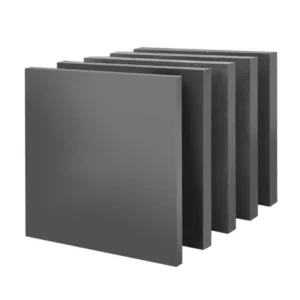
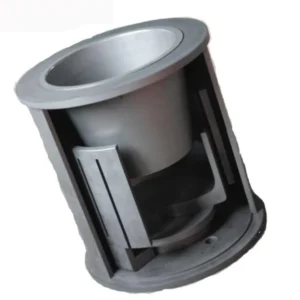
Vacuum furnace graphite support structural components are mainly structural, positioning, and load-bearing parts. They can be precision-machined from high-quality fine-grain molded graphite or isostatic graphite. These vacuum furnace heating elements and support components are commonly used together in the furnace thermal field. The mainstream structures are as follows:
-
Graphite support columns (pillars): Cylindrical or square-column solid pillars. They are the vertical core load-bearing body of the thermal field, supporting beams, insulation structures, and upper loads. They are the basic support components of the entire thermal field.
-
Graphite beams / support plates: Long, thick plate structures. They are mounted on top of the columns to distribute loads and support upper assembly loads, improving overall structural stability.
-
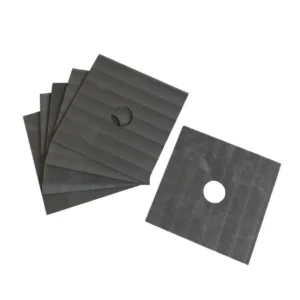
Graphite locating blocks and spacers: Small, regular graphite parts used for equipment assembly leveling, gap adjustment, and positioning limits. They eliminate assembly stress and ensure the thermal-field structure is flat and orderly.
-
Graphite Fasteners: Including graphite bolts, locating pins, and locking pins. They are used for fixed assembly between thermal-field components to prevent loosening and displacement during high-temperature thermal cycling.
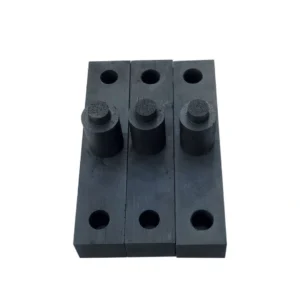
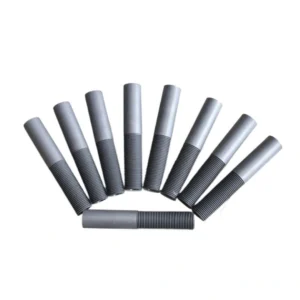
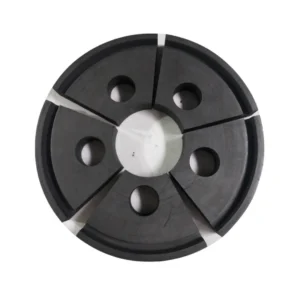
III. Product Features
-
Strong high-temperature structural stability: Graphite has a melting point as high as 3650°C. Under vacuum and inert atmospheres, it can operate stably at 2200°C–2400°C for long periods. Its high-temperature strength is better than at room temperature, and it is not prone to high-temperature creep, bending, or deformation.
-
Excellent thermal shock resistance: It has an extremely low coefficient of thermal expansion and good dimensional stability under frequent heating/cooling and thermal shock conditions. It is not easily cracked, chipped, or deformed.
-
Low vacuum outgassing and high cleanliness: It uses a refined roasting and degassing process. The material is dense with low porosity, releases little gas at high temperatures, does not contaminate workpieces, and can stably maintain a high vacuum level in the furnace.
-
High structural precision and strong adaptability: The material is uniform and dense and can be precisely turned, milled, drilled, and slotted. Various assembly and positioning structures can be customized. It offers high assembly fit and good thermal-field structural consistency.
-
Inert and stable chemical performance: At high temperatures, it does not react with most heat-treated workpieces, making it suitable for various precision high-temperature processes.
Product Limitations
-
Above 500°C in an oxygen-containing environment, it oxidizes very easily. Vacuum or inert atmosphere protection must be maintained throughout.
-
The material is relatively brittle and is not resistant to mechanical impact, extrusion, or severe shock.
-
Under ultra-high-temperature conditions above 2000°C, slight atomic sublimation occurs, and normal loss exists during long-term use.
-
It must not directly contact alkali metals or molten metals, to avoid material corrosion and failure.
V. Material Selection Standards and Precautions
-
Forming material selection
For medium- and high-end high-temperature, heavy-load, frequent thermal-cycling, and high-cleanliness processes, isostatic graphite is the first choice. The material is isotropic, and its strength, thermal expansion, and structural stability are uniformly consistent in all directions. It is not prone to local stress concentration, cracking, or deformation, and is suitable for demanding industrial conditions.
High-quality fine-grain molded graphite can achieve high density and fine grain through multiple impregnation and baking processes. Its overall performance is good, and in engineering practice it is widely used for conventional heat treatment and sintering conditions below 1400°C, with medium loads and gentle heating/cooling. It is cost-effective and has very large market usage.
Extruded graphite has significant anisotropy and large directional differences in parameters, and its structural stability is poor. It must not be used for vacuum furnace graphite support structural components. -
Purity selection requirements
For high-cleanliness conditions such as semiconductors, precision ceramics, cemented carbide, and high-purity material sintering, high-purity or ultra-high-purity low-ash materials must be selected to ensure low outgassing and zero contamination. For conventional heat treatment, standard high-purity materials can be used. -
Working condition adaptation requirements
For high-temperature, heavy-load, and continuous production conditions, high-density and high-purity materials should be preferred to reduce high-temperature creep and sublimation loss. Vacuum or inert atmosphere must be maintained throughout, and high-temperature oxidizing environments are strictly prohibited. -
Assembly matching requirements
The entire support assembly should preferably use materials from the same batch and process to ensure consistent thermal expansion and avoid loosening, jamming, and cracking during thermal cycling. Reasonable thermal expansion gaps should be reserved during assembly, and contact surfaces should be flat with uniform stress. -
Machining process requirements
Products are precision machined to avoid stress concentration at sharp corners and notches. Key load-bearing positions should have rounded transitions to improve structural strength and thermal cycling service life.
Reviews
There are no reviews yet.