
Introduction
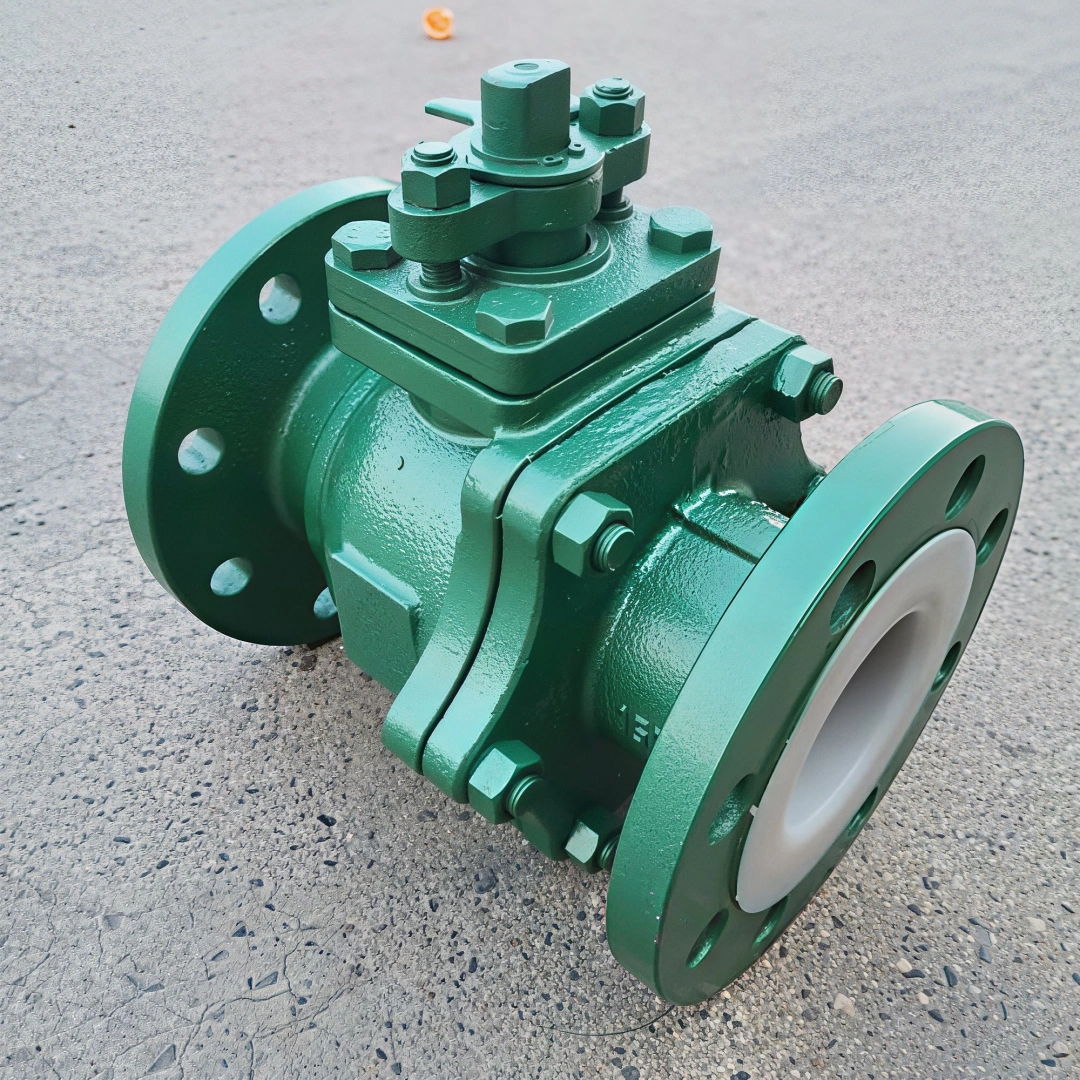
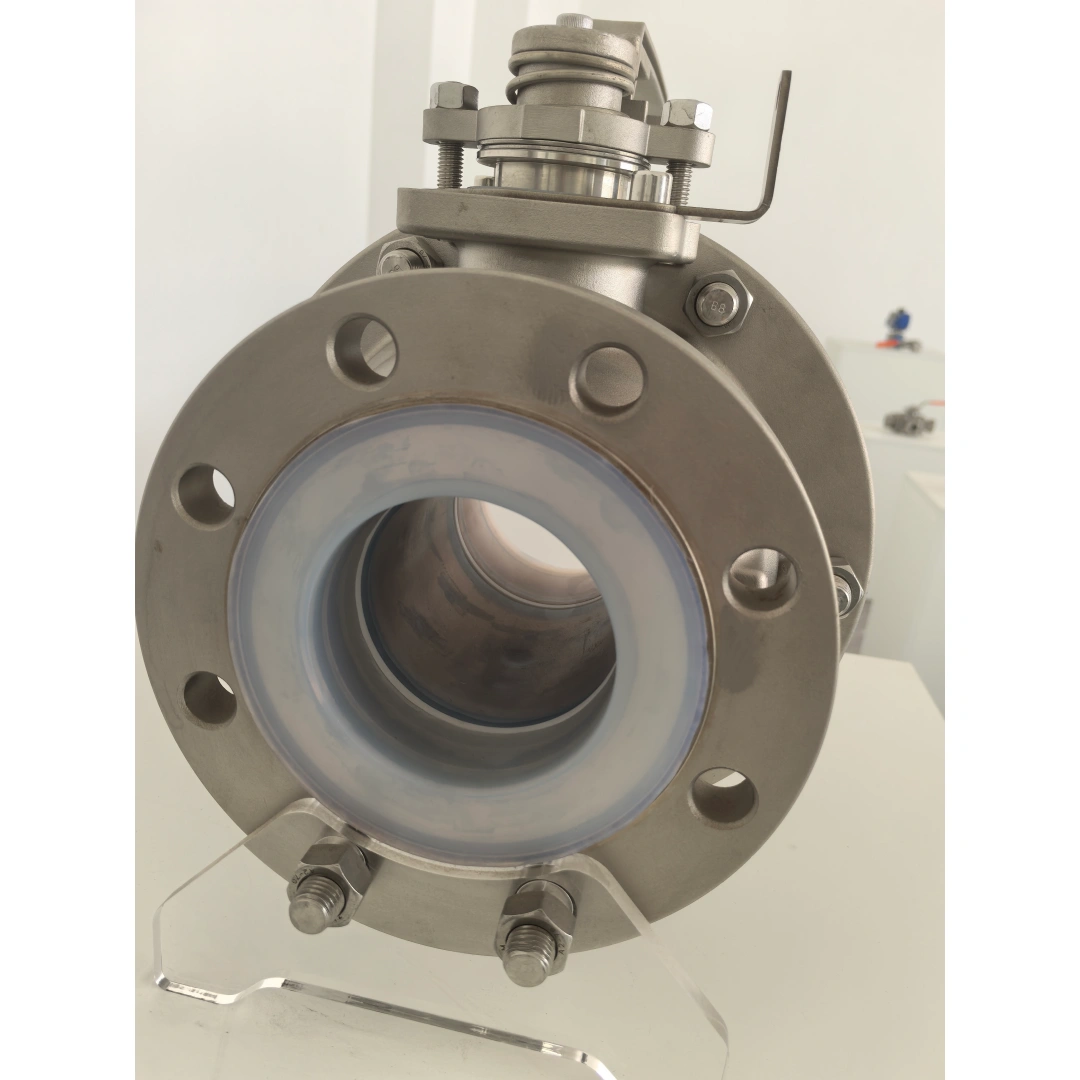
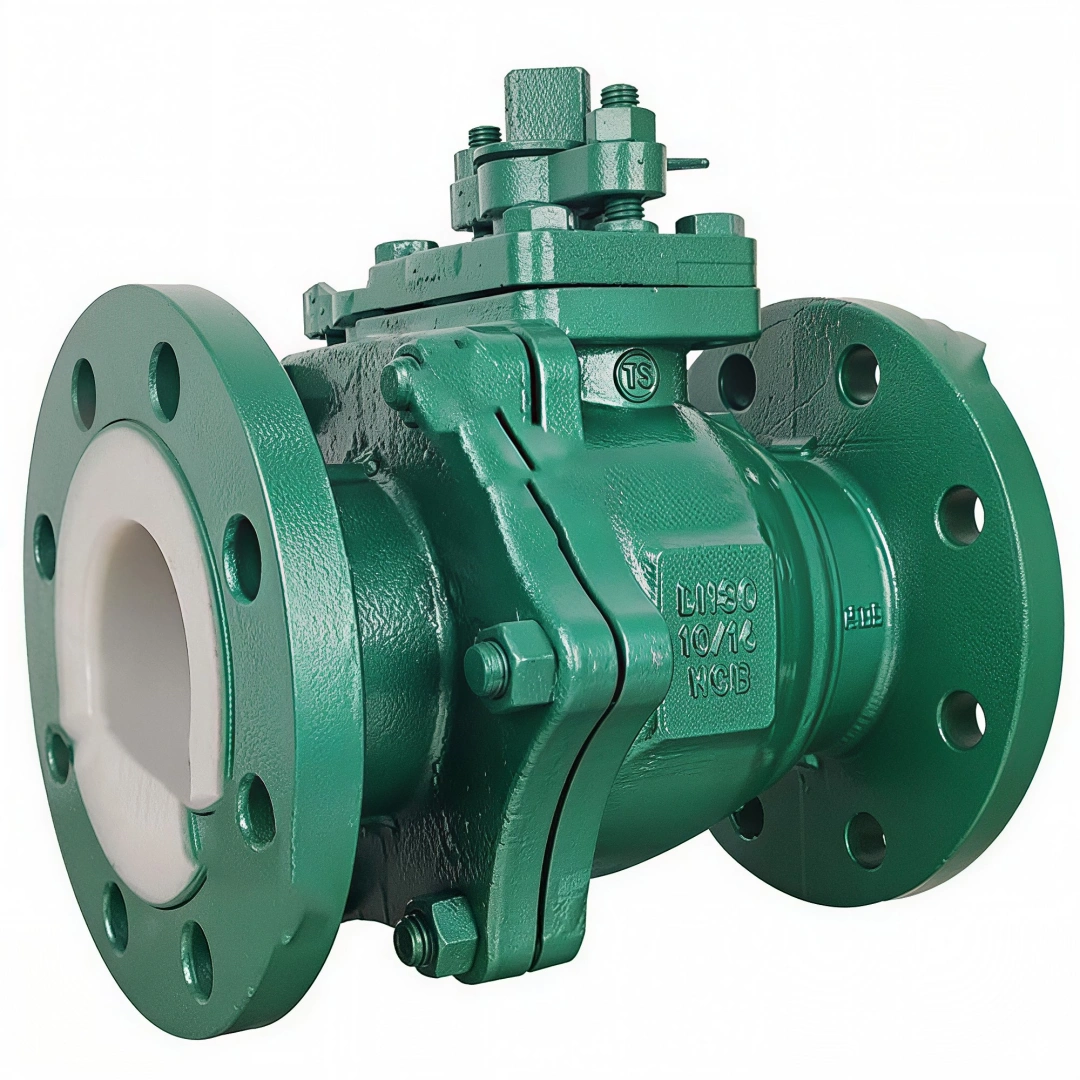
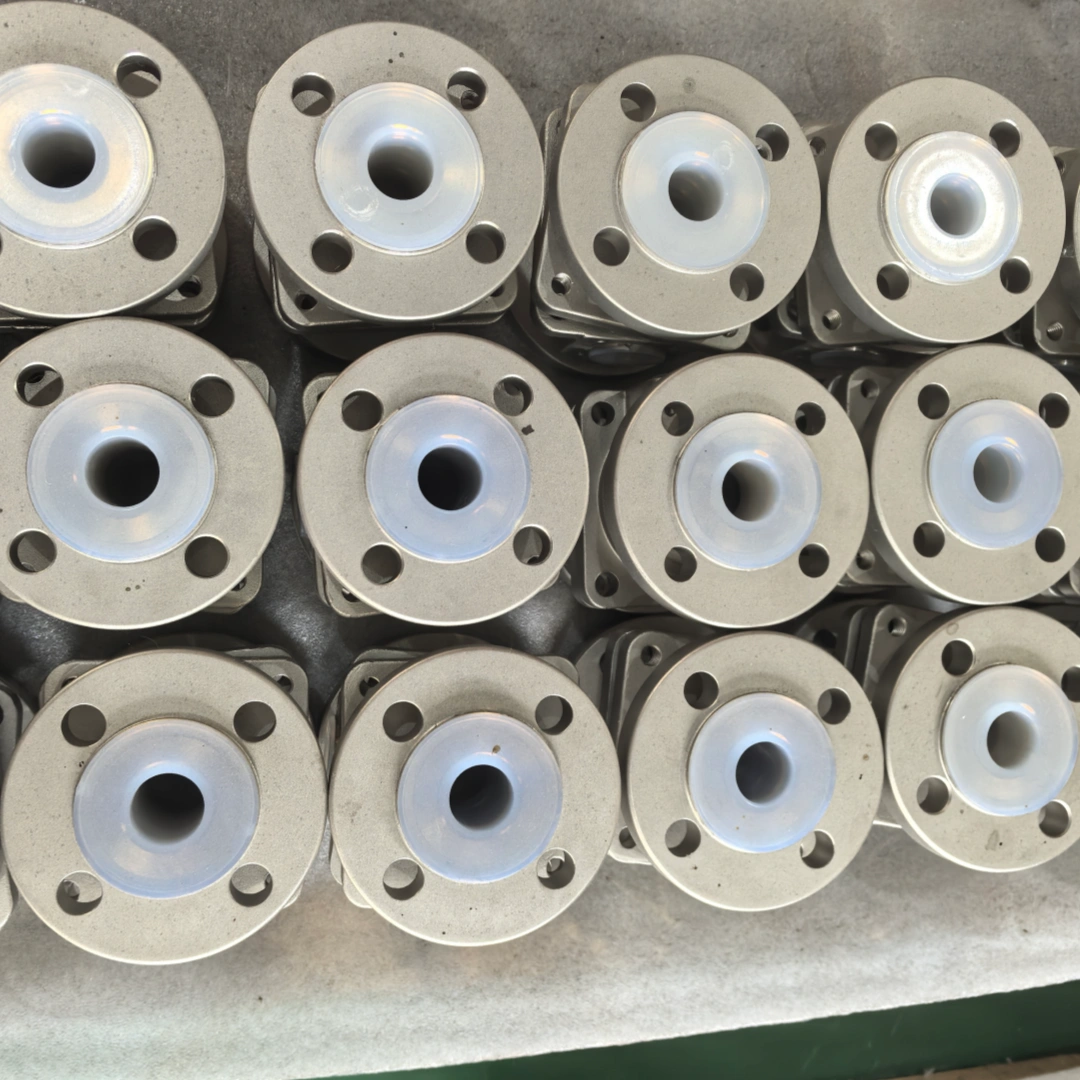
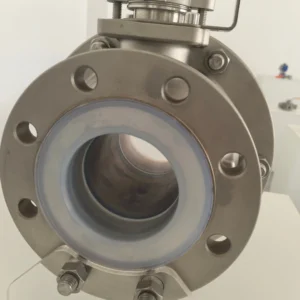
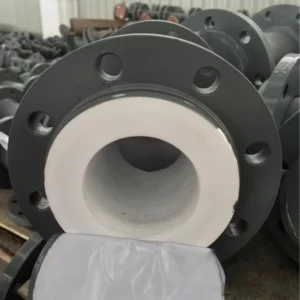
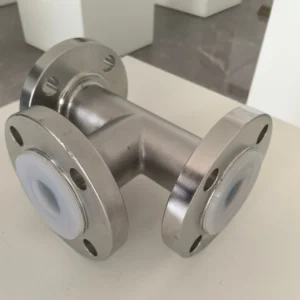
Fluoropolymer-lined ball valves are essential corrosion-resistant industrial valves featuring fluid-contact components—such as the inner body, ball, and valve seats—composite-lined with high-performance fluoroplastics. As a core shut-off and flow-control solution for aggressive chemical pipelines, we primarily supply high-grade PFA lined ball valves, alongside premium PTFE and PTFE/FEP lined alternatives, tailored for severe corrosive services in chemical processing, pharmaceuticals, hydrometallurgy, and environmental acid pickling.
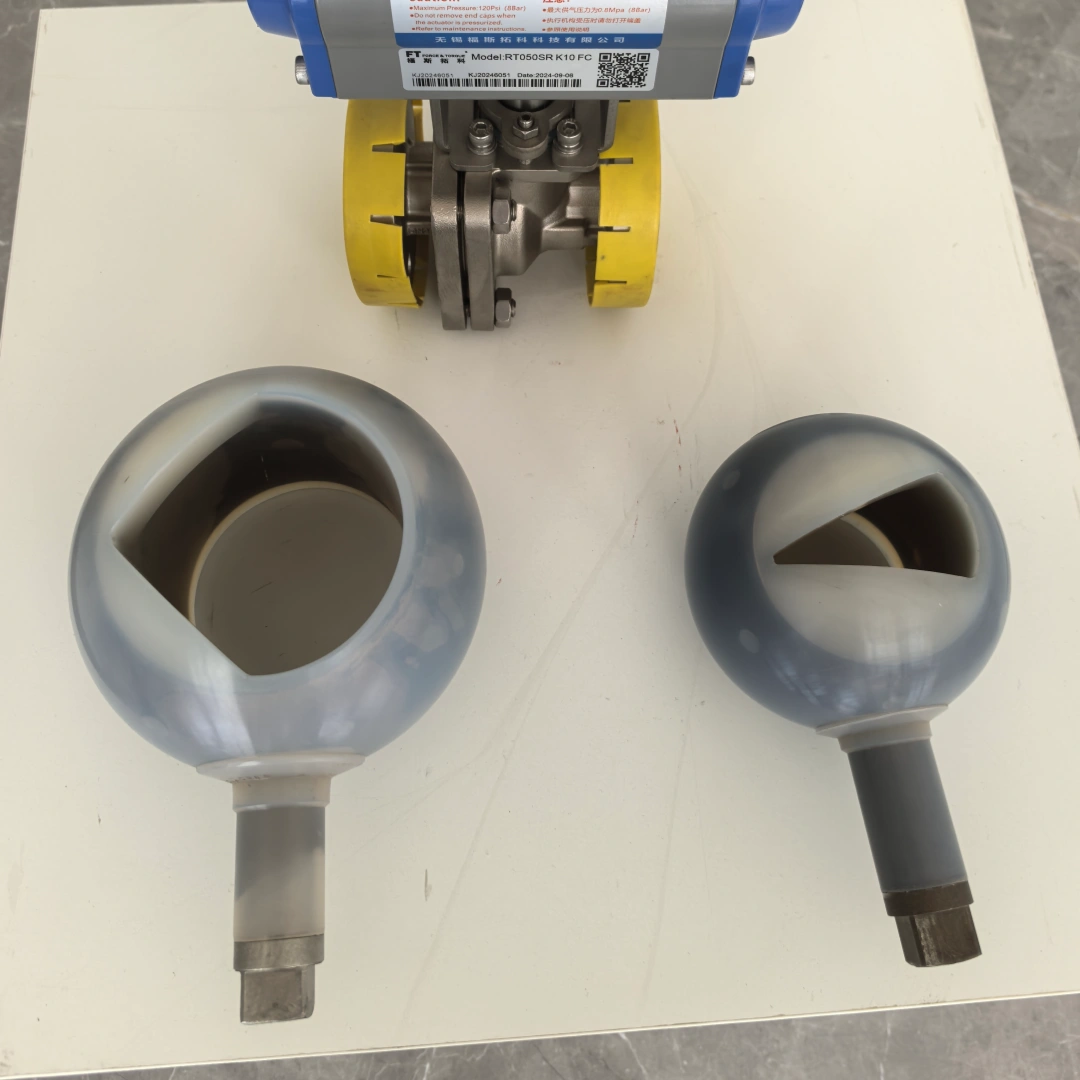
Designed with a full-port floating ball configuration available in 2-piece (split body) and 3-piece constructions, our valves deliver superior fluid dynamics. The 3-piece bolted body allows for convenient online maintenance and internal seal replacement without removing the entire valve from the pipeline. An integrated ball-and-stem design prevents stem blow-out under pressure fluctuations, ensuring maximum operational safety. Equipped with spring-loaded lip self-compensating seats and chevron PTFE packing, the sealing system provides automatic compensation and long-term zero leakage. The lining is applied via advanced compression or high-pressure injection molding, ensuring a dense, pore-free bond with the metal substrate and delivering an extended cycle life.
Part I: Lining Material & Operating Conditions Compatibility
PFA (Perfluoroalkoxy Alkane)
-
Characteristics: Offers corrosion resistance comparable to PTFE, combined with superior inner wall smoothness, lower trace-ion leaching, and enhanced anti-permeation performance. Features high purity levels with zero chemical reaction or impurity release into the medium.
-
Temperature Range: -20°C to 180°C (-4°F to 356°F).
-
Ideal Applications: High-purity chemical media, fine chemicals, semiconductor manufacturing, and pharmaceutical GMP clean piping.
PTFE (Polytetrafluoroethylene / F4)
-
Characteristics: Exceptional chemical inertness. Withstands virtually all strong acids, strong alkalis, strong oxidizing agents, and organic solvents (except molten alkali metals and elemental fluorine).
-
Temperature Range: -20°C to 180°C (-4°F to 356°F) (per industrial standards).
-
Ideal Applications: Wide operating temperature spans, thermal cycling environments, and general heavy-duty corrosive duties.
FEP (Fluorinated Ethylene Propylene / F46)
-
Characteristics: Excellent toughness, radiation resistance, and an extremely low coefficient of friction (providing non-stick properties that minimize operational torque).
-
Temperature Range: -20°C to 120°C (-4°F to 248°F).
-
Ideal Applications: Cost-effective standard corrosive applications where operating temperatures do not exceed 120°C.
Part II: Core Specifications & Design Standards
-
Nominal Size (DN): DN15 to DN300 (1/2″ to 12″)
-
Pressure Rating: PN10, PN16 (1.0 MPa / 1.6 MPa); custom high-pressure options available up to PN25.
-
Operating Temperature: -20°C to 180°C (-4°F to 356°F), depending on lining material and body shell specifications.
-
Design Standards: GB/T 12237, API 608, API 6D; fully compatible with ASME B16.34 and international standards.
-
Inspection & Testing: JB/T 9092, ISO 5208; CE/PED export certification available upon request.
-
Actuation Options: Manual (lever handle), worm gear, pneumatic actuator, and electric actuator for remote automated control.
-
Flow Characteristics: Full-port flow design minimizing pressure drop and supporting pipeline pigging.
Part III: Core Advantages
-
Superior Corrosion Resistance: Perfectly handles hydrochloric acid, sulfuric acid, hydrofluoric acid, aqua regia, mixed acids, strong alkalis, halides, and aggressive organic solvents.
-
Full-Port Flow Design: Low fluid resistance, quick 90-degree quarter-turn operation, and effortless control.
-
Exceptional Sealing & Anti-Permeation: Compression-molded pin-hole-free lining with self-compensating seals for enduring leak-tight performance.
-
Easy Maintenance: 3-piece split-body construction allows in-line servicing, significantly reducing plant downtime costs.
-
High Purity Standards: Low-leaching PFA interior with zero dead zones, satisfying stringent pharmaceutical and food-grade hygiene standards.
-
Low Operating Torque: Low friction coefficient of fluoroplastics ensures stable and smooth actuation without jamming.
Part IV: Typical Industry Applications
-
Chemical & Petrochemical Processing
-
Chlor-Alkali Manufacturing
-
Pesticide Intermediates & Fine Chemicals
-
Hydrometallurgical Electrolyte Circuits
-
Pharmaceutical Clean Piping & Semiconductor High-Purity Fluid Delivery
-
Environmental Acid Wastewater Treatment & Flue Gas Desulfurization (FGD)
-
Pulp & Paper Black Liquor Processing and Strong Oxidizer Waste Streams
Part V: Selection Guidelines & Maintenance
Selection Recommendations
-
High Purity & Strict Permeation Control: Prioritize PFA lined ball valves.
-
Wide Temperature Variations & General Severe Corrosion: Select PTFE lined ball valves.
-
Cost-Sensitive Standard Corrosive Duties (≤120∘C): Choose FEP lined ball valves.
Troubleshooting & Maintenance
-
Internal Leakage: Typically caused by seat wear or media crystallization. Remedy by replacing fluoroplastic seats or flushing out crystal deposits.
-
Actuation Sticking: Media crystallization adhering to the ball. Disassemble and clean internal components; avoid prolonged fluid stagnation in the valve cavity.
-
Flange External Leakage: Aging flange gaskets or uneven bolt torque. Re-tighten bolts uniformly in a crisscross pattern or replace gaskets.
-
Cleaning Requirements: Clean fluoroplastic linings using neutral detergents and soft wiping cloths. Never use hard tools or metal scrapers on the lining surface.
PFA/FEP Lined Ball Valve Dimensions
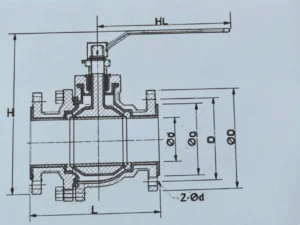
| Nominal Diameter DN | Size (mm) | L (mm) PN1.6MPa / JIS 10K |
HL (mm) | Ød (mm) | Øg (mm) PN1.6MPa |
Øg (mm) JIS 10K |
ØD (mm) PN1.6MPa |
ØD (mm) JIS 10K |
D (mm) PN1.6MPa |
D (mm) JIS 10K |
Z-Ød PN1.6MPa / JIS 10K |
H (mm) |
|---|---|---|---|---|---|---|---|---|---|---|---|---|
| 15 | 15A | 140 | 120 | 20 | 45 | 52 | 95 | 95 | 65 | 70 | 4-Ø14 / 4-Ø15 | 158.5 |
| 20 | 20A | 140 | 120 | 20 | 55 | 52 | 105 | 100 | 75 | 75 | 4-Ø14 / 4-Ø15 | 158.5 |
| 25 | 25A | 150 | 165 | 25 | 65 | 60 | 115 | 125 | 85 | 90 | 4-Ø14 / 4-Ø19 | 172.5 |
| 32 | 32A | 165 | 165 | 30 | 78 | 76 | 140 | 135 | 110 | 100 | 4-Ø18 / 4-Ø19 | 185.5 |
| 40 | 40A | 180 | 190 | 38 | 86 | 79 | 150 | 140 | 125 | 105 | 4-Ø18 / 4-Ø19 | 193.5 |
| 50 | 50A | 200 | 230 | 49 | 101 | 96 | 165 | 155 | 145 | 120 | 8-Ø18 / 4-Ø19 | 226 |
| 65 | 65A | 220 | 260 | 64 | 121 | 112 | 185 | 175 | 160 | 140 | 8-Ø18 / 8-Ø19 | 257 |
| 80 | 80A | 250 | 280 | 78 | 136 | 123 | 200 | 185 | 180 | 150 | 8-Ø18 / 8-Ø19 | 267 |
| 100 | 100A | 280 | 300 | 98 | 156 | 147 | 220 | 210 | 210 | 175 | 8-Ø18 / 8-Ø19 | 314.5 |
| 125 | 125A | 320 | – | 122 | 186 | 180 | 250 | 250 | 210 | 210 | 8-Ø18 / 8-Ø23 | – |
| 150 | 150A | 360 | – | 146 | 212 | 210 | 285 | 280 | 240 | 240 | 8-Ø22 / 8-Ø23 | – |
Reviews
There are no reviews yet.