
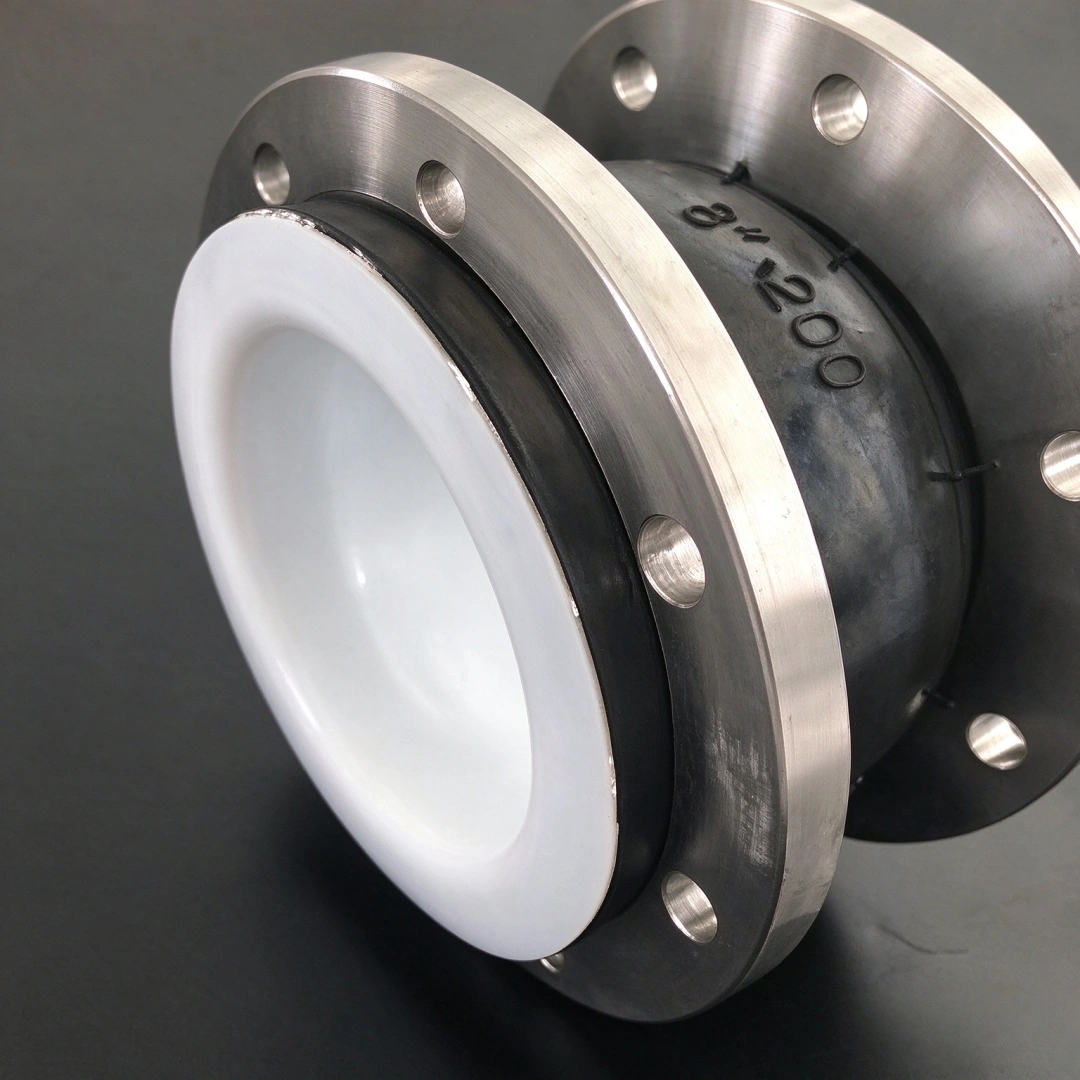
Overview: Reliable Fluid Control Solutions from a Leading China PTFE Lined Pipe Manufacturer
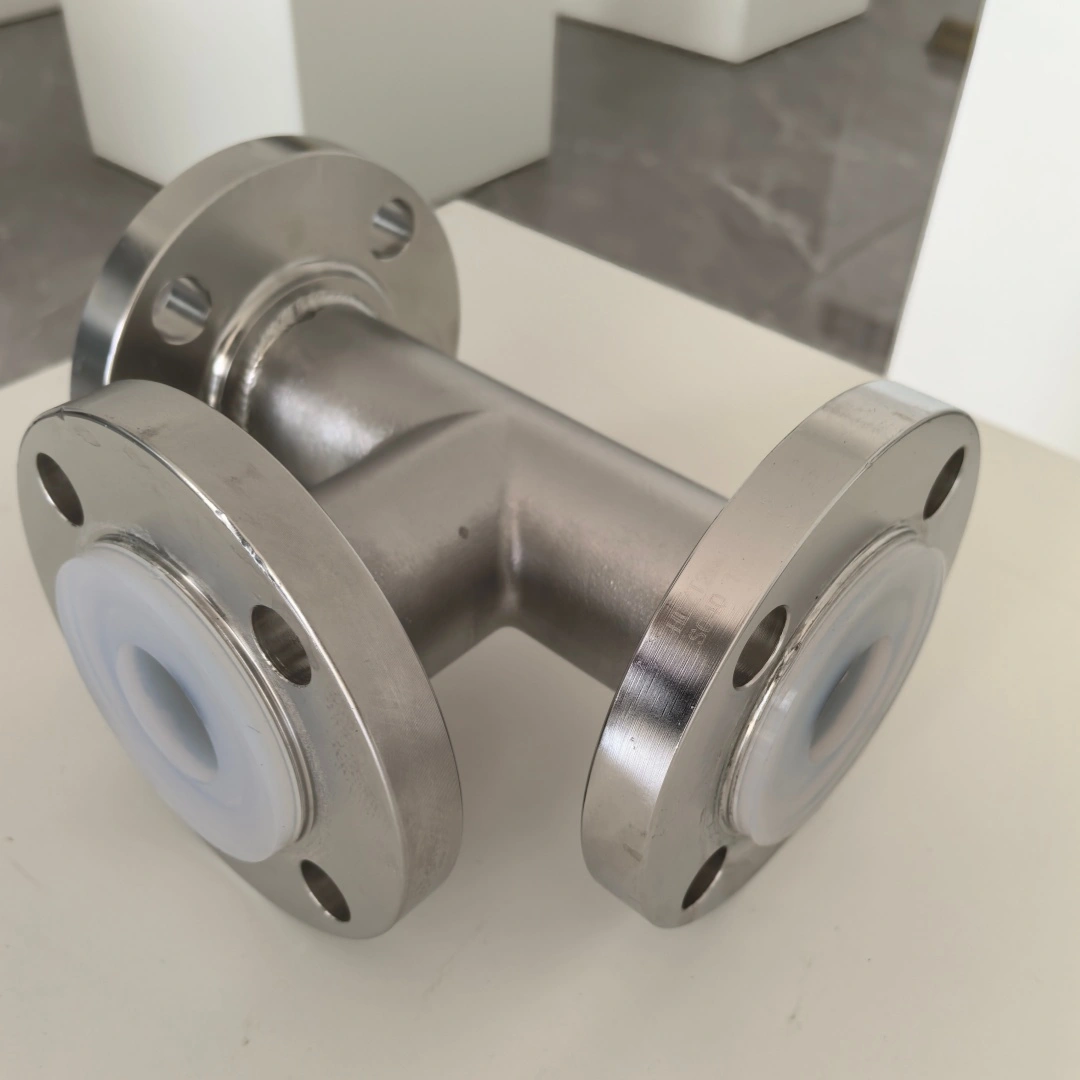
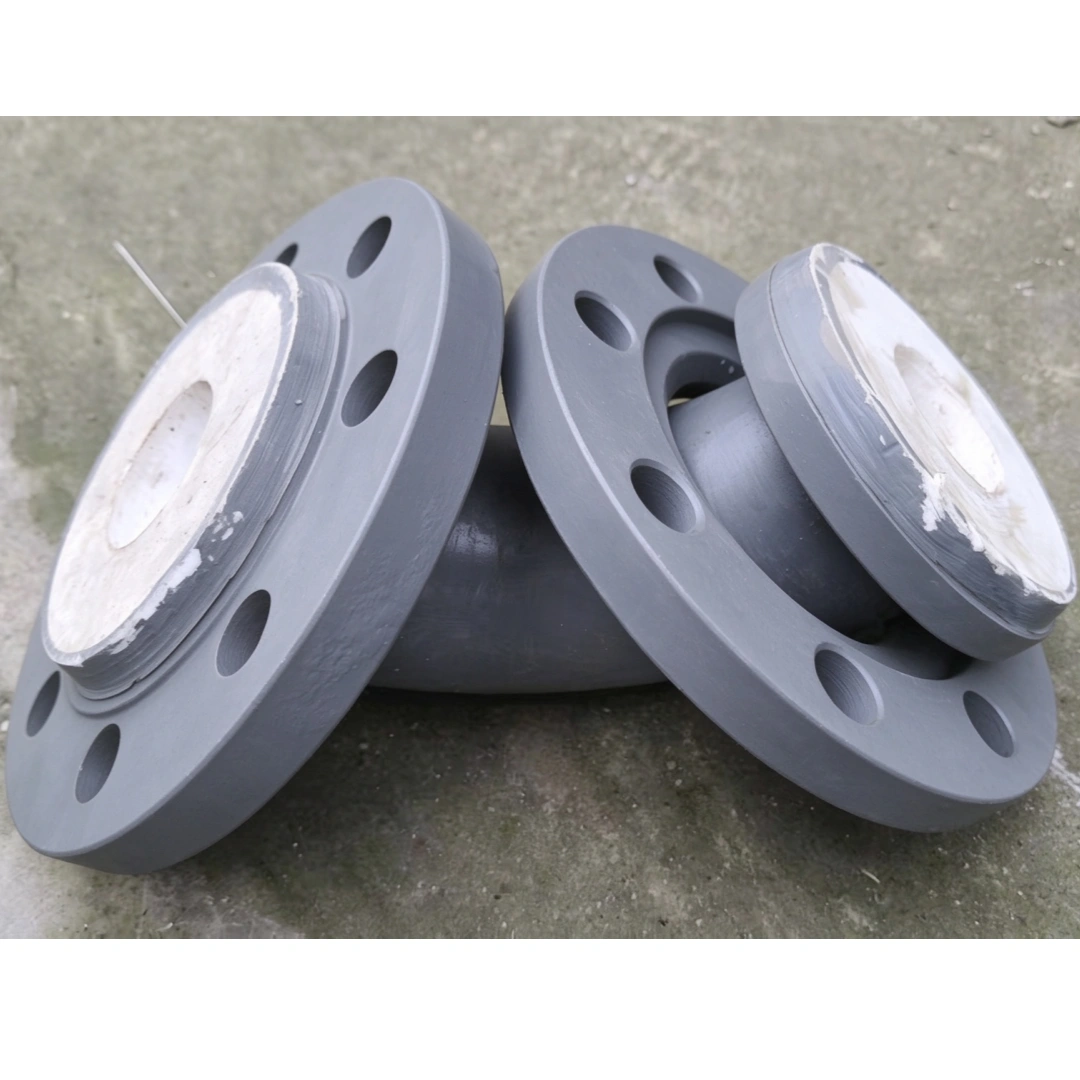
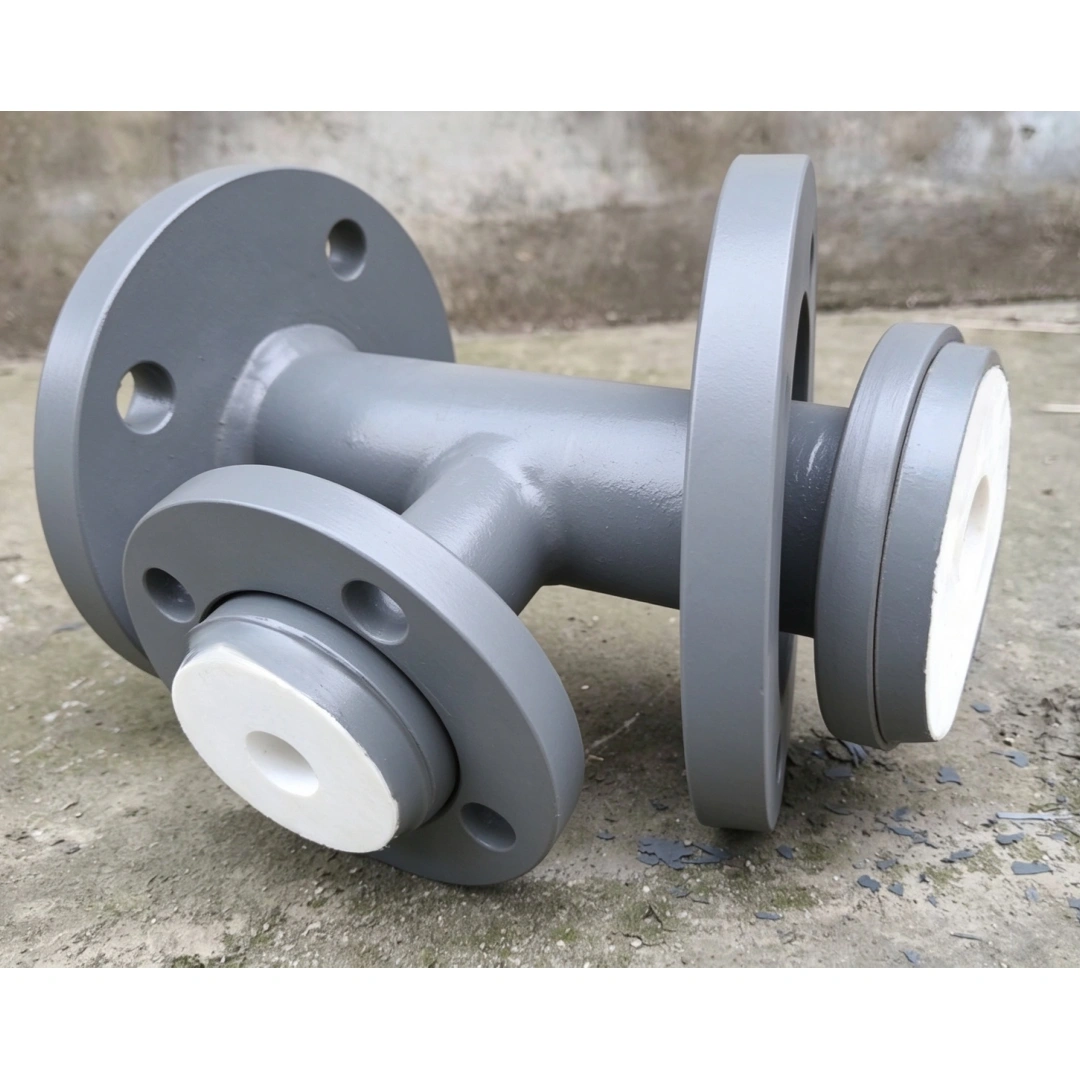
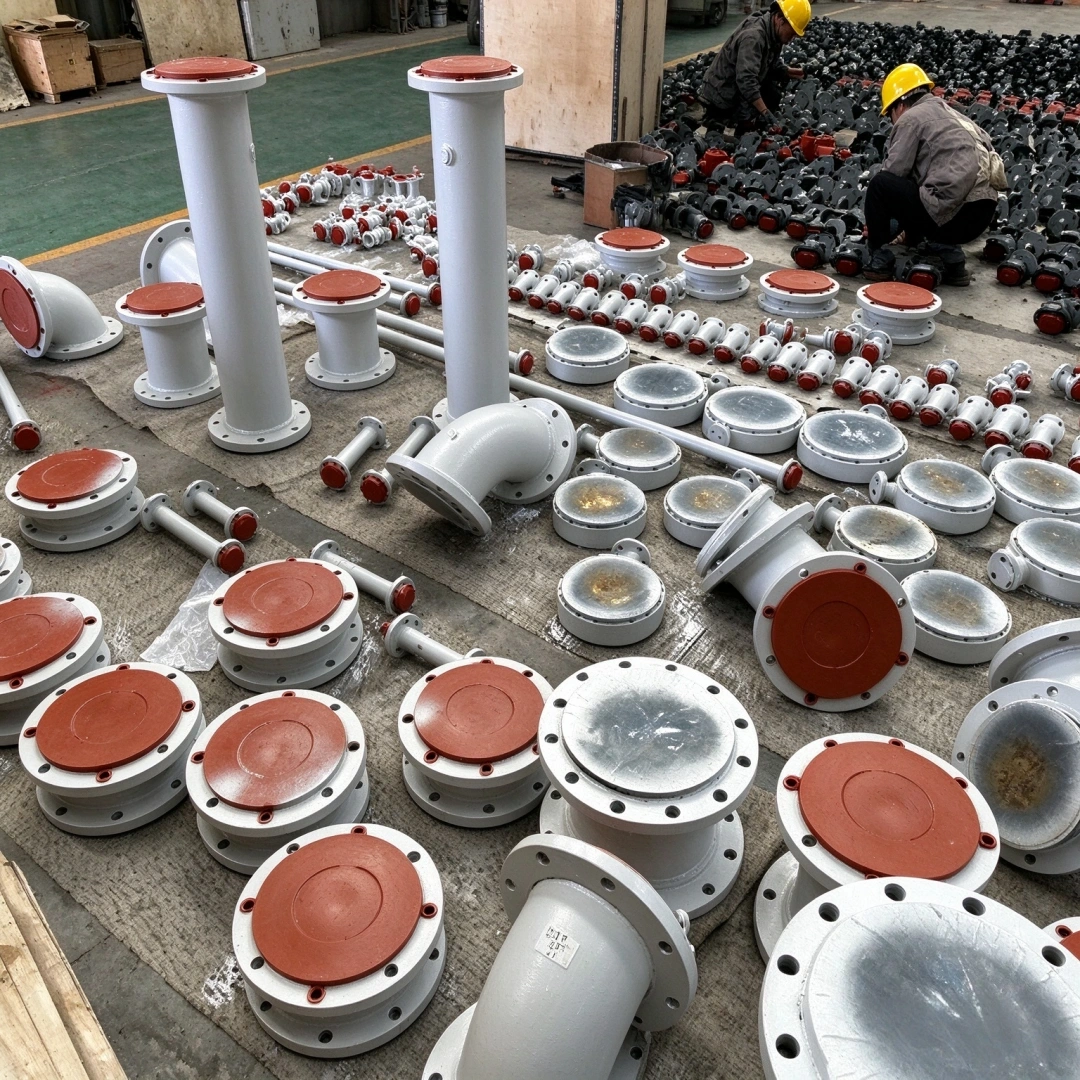
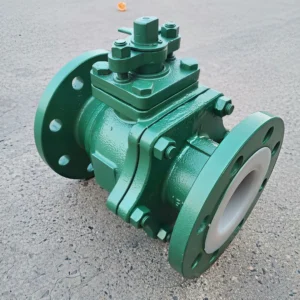
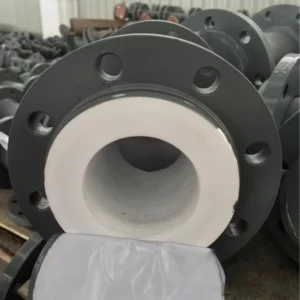
This comprehensive series covers straight pipes, elbows, equal tees, reducing tees, equal crosses, and reducers in steel-lined PTFE and PFA materials. Unlike traditional wrapped, sprayed, or sheet lining methods, our inner lining is integrally molded using advanced powder compression molding technology. PTFE and PFA powders undergo high-pressure pre-forming and high-temperature sintering inside precision molds to create a seamless lining structure, which is then seamlessly combined with carbon steel or stainless steel outer shells.
The resulting lining is dense, uniform, seam-free, and pore-free, dramatically eliminating the risk of media seepage along joints or lining delamination. Combining the pressure-bearing capacity of steel piping with the superior corrosion resistance of fluoropolymers, these lined pipe fittings are engineered for conveying strong acids, strong alkalis, organic solvents, and highly corrosive gases.
Our powder-molded Teflon lined fittings maintain exceptional structural stability under vacuum and negative pressure conditions up to 150 deg C, solving the long-standing industry limitation where conventional loose-lined or push-molded pipes collapse under negative pressure. As a premier source for China PTFE lined pipe products, Benecustcep offers high-reliability solutions for demanding high-temperature, high-vacuum processes such as distillation.
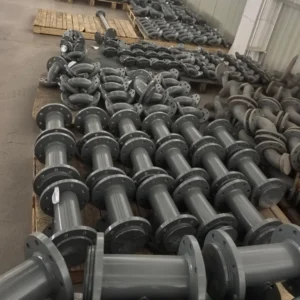
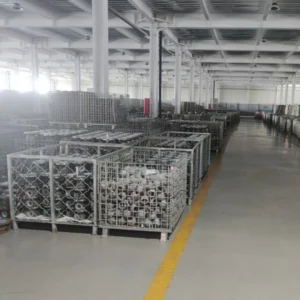
Section 1: Structural Composition
-
Outer Shell: Carbon steel or stainless steel pipe, providing mechanical strength to withstand internal pressure, support structural weight, and resist external physical impacts.
-
Inner Lining: Premium PTFE or PFA material, integrally powder-molded to adhere tightly to the inner pipe wall, forming a continuous corrosion barrier.
-
End Connections: Equipped with flanges on both ends for easy field installation. Piping connections comply with ASME and Chinese national GB/HG standards for custom manufacturing. All shaped fittings including elbows, tees, crosses, and reducers are produced via compression molding and sintering to ensure continuous lining thickness at all bends and transitions without localized thinning.
Section 2: Key Features of Powder Compression Molding
-
Zero Welded or Bonded Seams: The lining forms an integral monolithic unit, eliminating potential media leakage paths at seams.
-
Uniform and Controllable Wall Thickness: Prevents localized thinning, delivering pressure and vacuum resistance significantly superior to loose-lined or wrapped alternatives.
-
Uniform Crystalline Structure: Low internal stress prevents cracking, blistering, or delamination during severe thermal cycling.
-
Seamless Fit for Complex Geometries: Maintains consistent lining thickness at critical transition angles in tees, crosses, elbows, and reducers.
-
Ultra-Low Porosity: Offers anti-permeation capabilities far exceeding sprayed or wrapped linings.
-
High Batch Consistency: Engineered for both PTFE and PFA resins, ensuring standardized quality in high-volume production.
Section 3: Lining Material Comparison and Corrosion Performance
PTFE Lining Characteristics:
-
Long-term Operating Temperature: -20 deg C to 180 deg C.
-
Corrosion Resistance: Exceptional chemical inertness. It withstands virtually all chemical media including concentrated nitric acid, aqua regia, and fuming sulfuric acid, except for molten alkali metals, chlorine trifluoride, high-temperature oxygen difluoride, and high-velocity liquid fluorine.
-
Ideal Applications: General strong corrosion environments with wide operating temperature ranges.
-
Primary Advantages: Broadest corrosion resistance spectrum and high cost-effectiveness.
PFA Lining Characteristics:
-
Long-term Operating Temperature: -40 deg C to 200 deg C.
-
Corrosion Resistance: Inherits the chemical inertness of PTFE while providing higher inner surface smoothness, lower permeability, and minimal ionic leaching. (Note: Not suitable for fuming sulfuric acid, hot concentrated sulfuric acid, concentrated nitric acid, or ketones, esters, amines above 90 deg C.)
-
Ideal Applications: High-purity chemical processing, fine chemicals, and environments requiring strict control over contamination and leaching.
-
Primary Advantages: Smooth surface finish, ultra-low extraction rate, making it the preferred choice for semiconductor, pharmaceutical, and food-grade fluid transfer.
Section 4: Core Technical Specifications
PTFE Lined Fittings:
-
Design Pressure (Positive): Up to 1.6 MPa (subject to size and wall thickness verification)
-
Vacuum Capability: DN250 or smaller: <= -0.09 MPa; DN above 250: <= -0.08 MPa (Recommended temperature under negative pressure <= 150 deg C)
-
Inner Wall Smoothness: Good
PFA Lined Pipe Fittings:
-
Design Pressure (Positive): Up to 1.6 to 2.5 MPa (subject to size and wall thickness verification)
-
Vacuum Capability: Up to <= -0.098 MPa (For small and medium diameters with steel mesh reinforcement, recommended temperature under negative pressure <= 180 deg C)
-
Inner Wall Smoothness: Excellent (Surface roughness Ra <= 0.2 micrometers)
Section 5: Core Engineering Advantages of Powder Molding
-
Monolithic lining with zero seams, greatly reducing media permeation risks.
-
Uniform wall thickness and high dimensional stability for medium- to high-pressure corrosive pipelines.
-
Tight bonding between steel and fluoropolymer layers, preventing blistering and collapse under full vacuum.
-
Smooth interior surfaces that minimize fluid friction and resist scale or crystal build-up.
Section 6: Primary Industry Applications
-
Chemical and Petrochemical Processing: Transporting corrosive acid and alkali solutions, organic materials, and refined oil products; engineered for high-vacuum, highly corrosive distillation systems.
-
Pharmaceutical, Food, and Semiconductor Manufacturing: High-purity fluid delivery systems that strictly prevent metallic contamination.
-
Environmental and Wastewater Treatment: Conveying aggressive industrial wastewater, reclaimed water, and flue gas desulfurization (FGD) auxiliary lines.
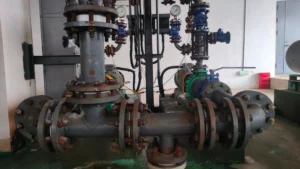
Section 7: Selection Guidelines and Customization Services
Material Selection:
-
Choose steel-lined PTFE lined fittings for general corrosive conditions and wide operating temperature demands.
-
Select PFA lined pipe fittings for high-purity fluids, strict control over permeation and leaching, and temperatures up to 200 deg C.
Section 8: Appendix – PTFE Chemical Resistance Guide (Excerpt)
The following table provides reference data for the chemical compatibility of PTFE (Polytetrafluoroethylene) across common corrosive media and operating temperature limits.
| Corrosive Media | Concentration | Max Operating Temp (°C) | Compatibility |
|---|---|---|---|
| Sulfuric Acid | Any | 200 | Resistant |
| Fuming Sulfuric Acid | Any | 200 | Resistant |
| Sulfurous Acid | Any | 200 | Resistant |
| Hydrobromic Acid | Any | 200 | Resistant |
| Hydrochloric Acid | Any | 200 | Resistant |
| Phosphoric Acid | Any | 200 | Resistant |
| Hydrofluoric Acid | Any | 200 | Resistant |
| Nitrous Acid | Any | 200 | Resistant |
| Hypochlorous Acid | Any | 200 | Resistant |
| Sodium Hydroxide | Any | 200 | Resistant |
| Potassium Hydroxide | Any | 200 | Resistant |
| Perchloric Acid | Any | 200 | Resistant |
| Chromic Acid | Any | 200 | Resistant |
| Fluorosulfonic Acid | Any | 200 | Resistant |
| Aqua Regia | Any | 200 | Resistant |
| Formic Acid | Any | 200 | Resistant |
| Acetic Acid | Any | 200 | Resistant |
| Glacial Acetic Acid | Any | 200 | Resistant |
| Acetic Anhydride | Any | 200 | Resistant |
| Monofluoroacetic Acid | Any | 200 | Resistant |
| Difluoroacetic Acid | Any | 200 | Resistant |
| Trifluoroacetic Acid | Any | 200 | Resistant |
| Propionic Acid | Any | 200 | Resistant |
| Butyric Acid | Any | 200 | Resistant |
| Nitric Acid | Any | 200 | Resistant |
| Carbon Tetrachloride | 100% | 200 | Resistant |
| Fluorine Gas | Dry | 150 | Resistant |
| Bromine | Liquid/Vapor | 65 | Resistant |
| Benzene | 100% | 200 | Resistant |
| Aniline | 100% | 200 | Resistant |
| Toluene | 100% | 200 | Resistant |
| Xylene | 100% | 200 | Resistant |
| Nitrobenzene | 100% | 200 | Resistant |
| Ethanol | 100% | 200 | Resistant |
| Benzaldehyde | 100% | 200 | Resistant |
| Butanol | 100% | 200 | Resistant |
| Furfural | 100% | 200 | Resistant |
| Acetone | 100% | 200 | Resistant |
| Cyclohexanol | 100% | 200 | Resistant |
| Cyclohexanone | 100% | 60 | Resistant |
| Benzyl Alcohol | 100% | 200 | Resistant |
| Methyl Formate | 100% | 60 | Resistant |
| Ethylene Glycol | 100% | 200 | Resistant |
| Ethyl Formate | 100% | 60 | Resistant |
| Propylene Glycol | 100% | 200 | Resistant |
| Methyl Acetate | 100% | 200 | Resistant |
| Furfuryl Alcohol | 100% | 60 | Resistant |
| Ethyl Acetate | 100% | 200 | Resistant |
| Phenol | 100% | Boiling | Resistant |
| Butyl Acetate | 100% | 200 | Resistant |
| Formaldehyde | 100% | 200 | Resistant |
| Dibutyl Phthalate | 100% | 200 | Resistant |
| Triethylamine | 100% | 200 | Resistant |
| Dioctyl Phthalate | 100% | 200 | Resistant |
| Diethyl Ether | 100% | 200 | Resistant |
| Diethylamine | 100% | 200 | Resistant |
| Dibutyl Ether | 100% | 200 | Resistant |
| Carbon Disulfide | 100% | 60 | Resistant |
| Diisopropyl Ether | 100% | 200 | Resistant |
| Furan | 100% | Boiling | Resistant |
| Acetophenone | 100% | Boiling | Resistant |
| Mineral Oil | 100% | 200 | Resistant |
| Turpentine | 100% | 180 | Resistant |
| Ammonium Fluoride | Any | 100 | Resistant |
| Pyridine | 100% | Boiling | Resistant |
| Sodium Hypochlorite | Any | 200 | Resistant |
| Hydrogen Peroxide | 90% | 60 | Resistant |
| Potassium Permanganate | Any | 200 | Resistant |
| Dimethylformamide (DMF) | 100% | 150 | Resistant |
| Gasoline | Commercial | 93 | Resistant |
| Dichloromethane | 100% | 200 | Resistant |
| Chloroform | 100% | 200 | Resistant |
| Phosphorus Pentoxide | 100% | 93 | Resistant |
| Hexane | 100% | 200 | Resistant |
| Resorcinol | 100% | 60 | Resistant |
| Heptane | 100% | 200 | Resistant |
| Pyrogallol | 100% | 200 | Resistant |
| Vinyl Chloride | 100% | 200 | Resistant |
| Molten Alkali Metals | Any | N/A | Non-Resistant |
Negative Pressure Warning:
Ensure the lining process is specified as powder compression molding. Loose-lined or push-molded pipes should never be installed in vacuum or negative pressure systems.
Customization Services:
As a trusted source for China PTFE lined pipe manufacturing, Benecustcep provides custom dimensions, wall thicknesses, segment lengths, and non-standard angles according to customer engineering drawings.
Selection Tip:
Prior to purchasing teflon lined fittings, please consult our engineering team with your operating media, temperature, pressure, and pipe diameter to obtain the exact Pressure-Temperature Rating Curve. Do not select fittings based solely on nominal pressure ratings at ambient temperature.
Reviews
There are no reviews yet.