
I. Product Functions
EDM graphite electrodes are the core consumable tooling for electrical discharge machining (EDM). They are compatible with spark erosion machines and precision mold processing equipment. Through high-frequency pulse discharge, these graphite electrodes erode metals such as hardened steel, cemented carbide, mold steel, and copper to form mold cavities, irregular grooves, micro patterns, and sharp-corner complex structures. They are widely used in precision manufacturing fields such as plastic molds, die-casting molds, hardware precision molds, aerospace precision parts, and semiconductor molds. Compared with traditional copper electrodes, graphite electrodes offer lower wear, faster processing speed, high temperature resistance, less deformation, and excellent finishing performance. They are the mainstream consumable for high-end precision EDM. These graphite electrodes are stable in normal-temperature oxygen environments, but high-temperature discharge conditions require equipment cooling and exhaust systems to avoid long-term high-temperature oxidation loss.
II. Structural Forms
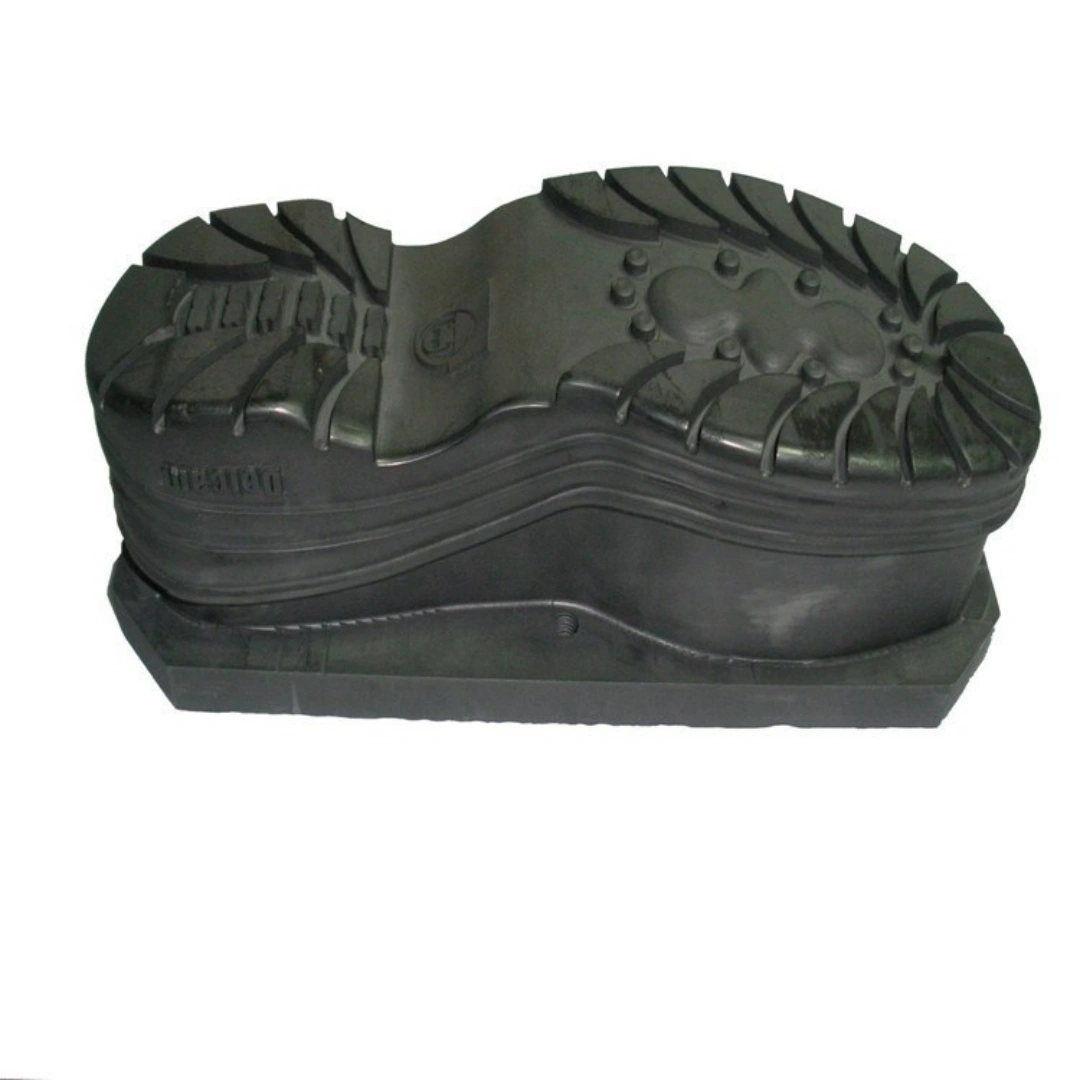
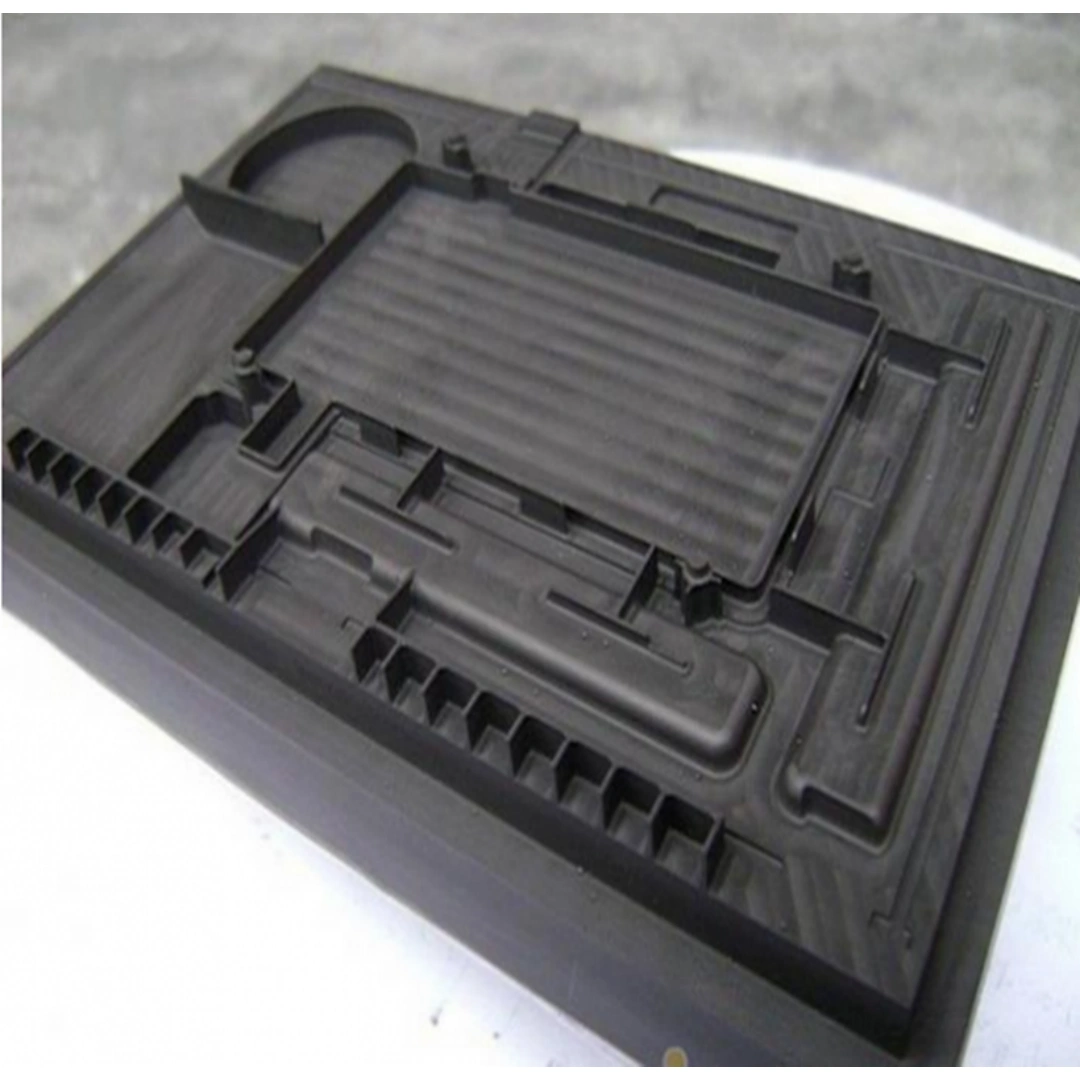
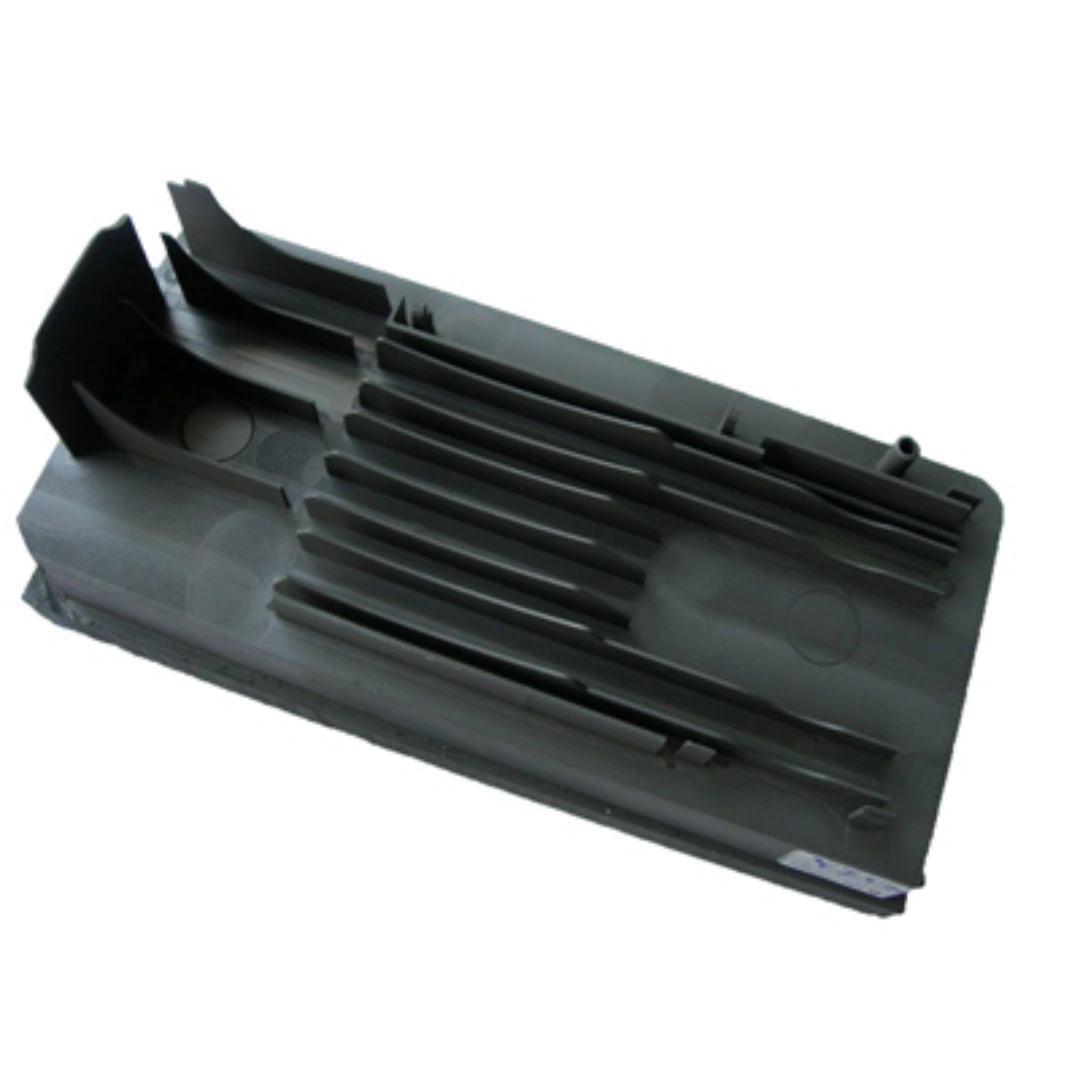
EDM graphite electrodes are precision CNC-machined in one piece from high-purity artificial graphite blanks, with no splicing or bonding, and a dense, uniform overall structure. According to processing technology and precision grade, they are divided into three mainstream structures and material specifications:
-
Roughing general-purpose electrodes: Medium-fine grain graphite, large-allowance rapid EDM structure, suitable for mold roughing and large cavity stock removal.
-
Medium-finishing electrodes: Fine-grain high-density graphite, regular structure, strong corner retention, suitable for conventional precision mold forming.
-
Micro-finishing electrodes: Ultra-fine grain / isostatic high-purity graphite, capable of machining 0.1 mm-level micro ribs, sharp corners, and ultra-thin wall structures, suitable for ultra-precision molds, mirror EDM, and micro parts.
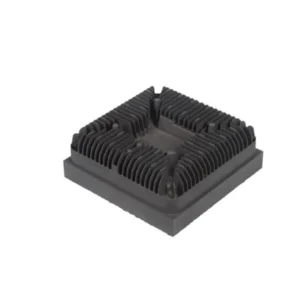
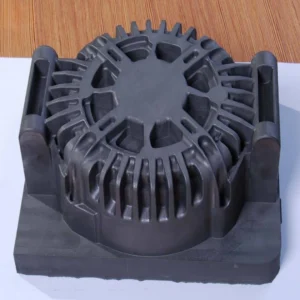
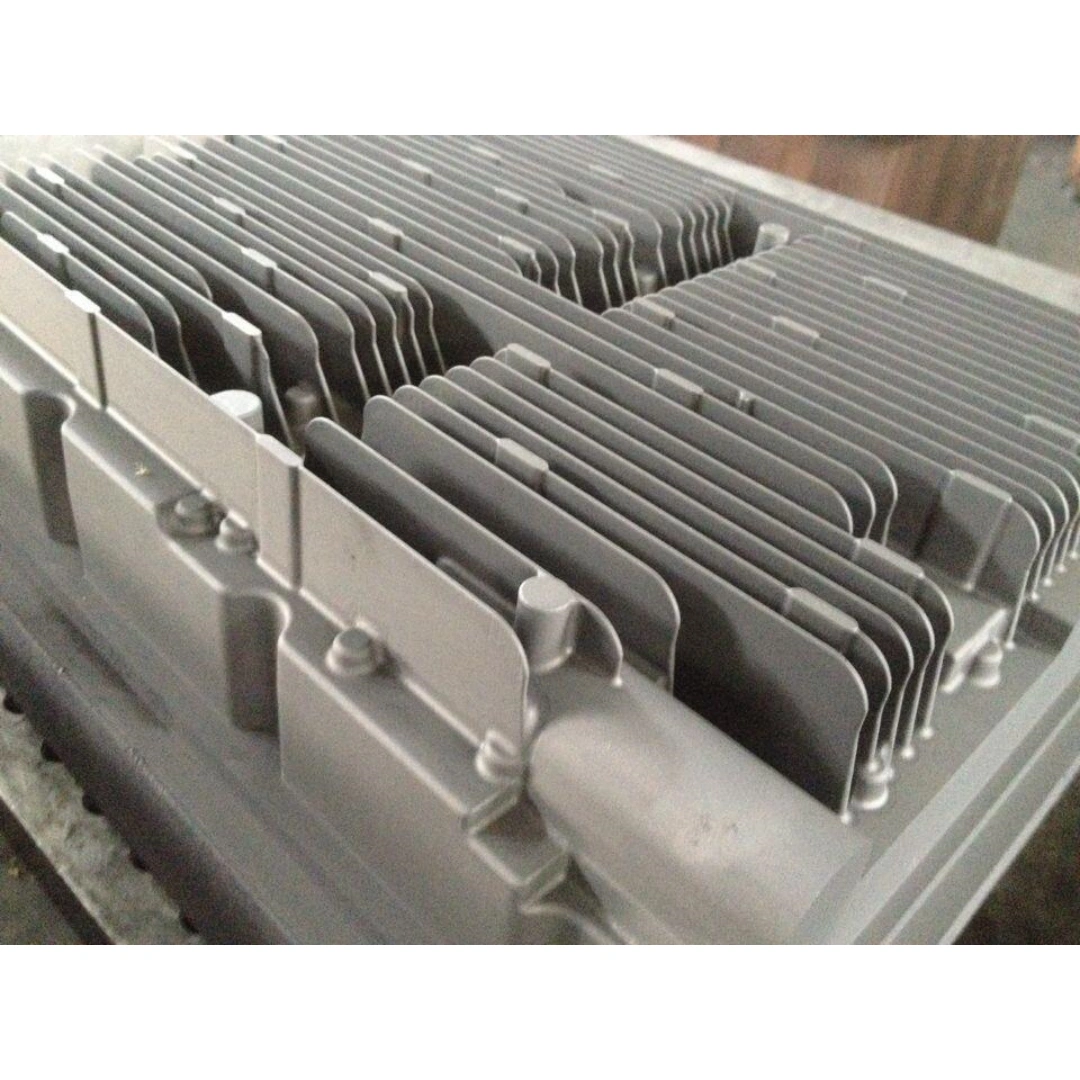
Any shape, irregular curved surface, slot, sharp corner, or thin-wall structure can be customized according to customer drawings. Standard blocks, round bars, and irregular one-piece electrodes are supported. Our graphite EDM electrodes are manufactured strictly from customer CAD drawings. Machined clamping bases and mounting adapters can be integrated. We accept single-piece prototype orders and medium-batch quantities. For complex mold projects, multiple sets of graphite EDM electrodes can be produced for successive roughing and finishing cycles.
III. Product Features
1. Stable discharge performance and high processing efficiency: Graphite has excellent and uniform electrical conductivity. Pulse discharge is stable, with no carbon buildup or arcing. Metal removal rate far exceeds copper electrodes, greatly shortening mold processing cycles. Suitable for high-volume, high-efficiency EDM production.
2. Extremely low electrode wear and excellent shape retention: High temperature resistance and strong EDM resistance. Under discharge high temperature, the structure is not easily ablated, chipped, or deformed. Sharp corners, thin walls, and micro structures maintain good shape, greatly reducing electrode re-grinding and replacement frequency.
3. Strong thermal stability and no thermal deformation: Extremely low coefficient of thermal expansion. Under instantaneous high-temperature discharge, thermal deformation is unlikely. Processing accuracy is stable, and high-precision tolerances can be maintained for long periods. Suitable for continuous long-time processing.
4. Excellent machinability and formability: The material is fine and uniform. CNC processing has no chipping, powder falling, or cracks. It can produce ultra-fine complex irregular structures, perfectly meeting mirror EDM, micro pattern, and ultra-thin wall precision processing needs.
5. Lightweight, easy clamping, and wide adaptability: Density is much lower than copper electrodes. Lightweight, large electrodes are not easily deformed during clamping. Suitable for various sizes of EDM machines and precision processing equipment. Highly versatile.
Product Limitations
-
In high-temperature oxygen environments, long-term standing can cause slow oxidation. During long downtime, remove in time or provide dust protection.
-
The material has the common brittleness of graphite. Thin walls and sharp-corner micro structures have weak impact resistance. Avoid collision and heavy pressure during handling, clamping, and cleaning.
-
Under ultra-high-frequency, ultra-long continuous micro EDM conditions, slight EDM wear occurs. This is normal consumable wear.
-
Dust is conductive. During processing and cleaning, dust removal must be standardized to avoid dust entering equipment circuits and causing short circuits.
IV. Core Performance Indicators
Typical industry standard parameters for EDM graphite electrodes (fine grain / ultra-fine grain / isostatic). For electrodes and graphite, material grain size is critical. A graphite electrode with finer grain delivers higher finish and lower chipping probability. A carbon graphite electrode with uniform resistivity ensures stable discharge. Key parameters include:
-
Material grain size: Medium grain (above 1.0 μm), fine grain (0.5–1.0 μm), ultra-fine grain (≤0.5 μm). The finer the grain, the higher the processing finish and the lower the chipping probability. Ultra-fine grain material is preferred for mirror processing.
-
Resistivity: 8–16 μΩ·m. Uniform and stable conductivity, stable discharge pulses, no local concentrated discharge, ensuring a uniform and smooth processed surface.
Additional parameters from the Product Overview: Different graphite grain sizes deliver distinct performance regarding electrode wear, achievable surface finish, and material-removal speed. Fine-grain graphite is selected for high-precision finishing work, reproducing sharp corners, thin ribs, and intricate micro-features. Medium-grain graphite provides a practical balance between machining speed, electrode wear, and overall project cost, and is most frequently used for mold roughing. Coarse-grain graphite is reserved primarily for heavy-duty rough-cut EDM on very large molds and forging dies, delivering the fastest metal-removal rate but higher electrode consumption. Large-size coarse-grain graphite blanks need careful inspection to exclude hidden internal fissures before CNC processing.
V. Material Selection Standards and Precautions
1. Forming material selection
For conventional mold roughing and ordinary cavity medium processing, fine-grain molded graphite (multiple impregnation and baking high-density process) is selected. It offers high cost performance and low wear, meeting most mass-production mold processing needs.
For precision mirror EDM, micro ribs, thin-wall sharp corners, and ultra-precision mold processing, isostatic ultra-fine high-purity graphite is preferred. The material is isotropic, with uniform grains and extremely high density, maximizing corner retention, finish, and stability.
Extruded graphite has coarse grains, large anisotropy, and uneven density. It is prone to chipping and high wear. It is prohibited for EDM precision electrode production and is only suitable for extremely low-requirement roughing.
2. Purity selection requirements
For high-end mirror molds, semiconductor precision parts, and medical mold processing, low-ash high-purity / ultra-high-purity graphite must be selected to avoid unstable discharge, surface pitting, and carbon defects caused by impurities. For ordinary hardware and die-casting molds, standard fine-grain high-purity graphite can be used.
3. Working condition adaptation requirements
For large-allowance roughing and high-frequency mass production, high-density fine-grain graphite is preferred to improve processing efficiency and reduce electrode replacement frequency. For micro-finishing and mirror forming, ultra-fine isostatic graphite is selected, with strict control of grain size and resistivity parameters to ensure micron-level processing accuracy.
4. Assembly and use requirements
Electrode clamping must be vertical, flat, and evenly stressed to avoid eccentricity or tilting that causes processing deviation. New machine trial runs require low-speed calibration to prevent collision with the workpiece. During processing, ensure equipment cooling and exhaust systems operate normally to reduce high-temperature oxidation and dust accumulation risks.
5. Machining process requirements
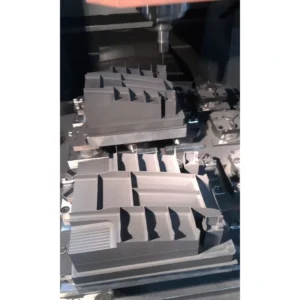
The electrode is CNC fine-milled in one piece, with a smooth surface free of tool marks and burrs. Sharp corners, thin walls, and rib structures are precisely optimized to remove stress concentration. Irregular curved surfaces transition smoothly to ensure uniform discharge and improve workpiece forming accuracy and surface quality.
Quality Control & Shipment
Every finished electrode undergoes dimensional verification after CNC machining. Inspection priorities vary depending on graphite grade: fine-grain items are checked carefully for tiny edge chips; medium-grain parts are verified on their reference mounting datum surfaces; large coarse-grain workpieces are visually screened for hidden cracks. All electrodes are packed with shock-absorbing foam inside sturdy export cartons or wooden cases, protecting these brittle graphite components during overseas transit.
Application
Our EDM graphite electrodes serve mold-making workshops across different fields, including precision plastic injection molds, die-casting dies, heavy forging dies, and various custom tooling for mechanical component manufacturing. For highly specialized mold-electrode requirements with unique shapes or special surface treatments, custom variants can be built as separate dedicated product pages later when the business expands.
EDM graphite electrodes are subjected to high-frequency pulses, instantaneous high temperatures, arc impact, and clamping stress during electrical discharge machining. Material selection should focus on bulk density, apparent porosity, flexural strength, Shore hardness, coefficient of thermal expansion, and ash content. Fine grain is suitable for precision EDM, mirror finishing, and micro structures; medium grain is suitable for general EDM rough machining and large stock removal.
| Test Item | Unit | Fine Grain (Precision EDM) | Medium Grain (General EDM Roughing) | Test Method |
|---|---|---|---|---|
| Bulk Density | g/cm³ | ≥1.78 | ≥1.72 | GB/T 2997 |
| Apparent Porosity | % | ≤16 | ≤19 | GB/T 2997 |
| Flexural Strength | MPa | ≥32 | ≥22 | GB/T 3074.1 |
| Shore Hardness | HSD | 45–65 | 35–55 | GB/T 39535 |
| Coefficient of Thermal Expansion | 10⁻⁶/℃ | ≤4.5 | ≤5.5 | GB/T 3074.2 |
| Ash Content | % | ≤0.10 | ≤0.15 | GB/T 14265 |
Selection Notes:
-
Fine Grain (Precision EDM): High bulk density, low porosity, high flexural strength, low thermal expansion, and low ash content. Suitable for precision molds, mirror EDM, micro ribs, sharp corners, and thin-wall structures.
-
Medium Grain (General EDM Roughing): Cost-effective. Suitable for mold roughing, large stock removal, and general cavity machining where surface finish and dimensional accuracy requirements are relatively lower.
-
For higher precision, lower electrode wear, or better surface quality, ultra-fine grain or isostatic high-purity graphite can be selected, with a separate technical agreement.
-
The above are typical reference indicators. Actual selection should consider machine performance, machining current, chip removal conditions, surface roughness requirements, and cost budget, and shall be subject to inspection reports and technical agreements.
Reviews
There are no reviews yet.