
Product Overview
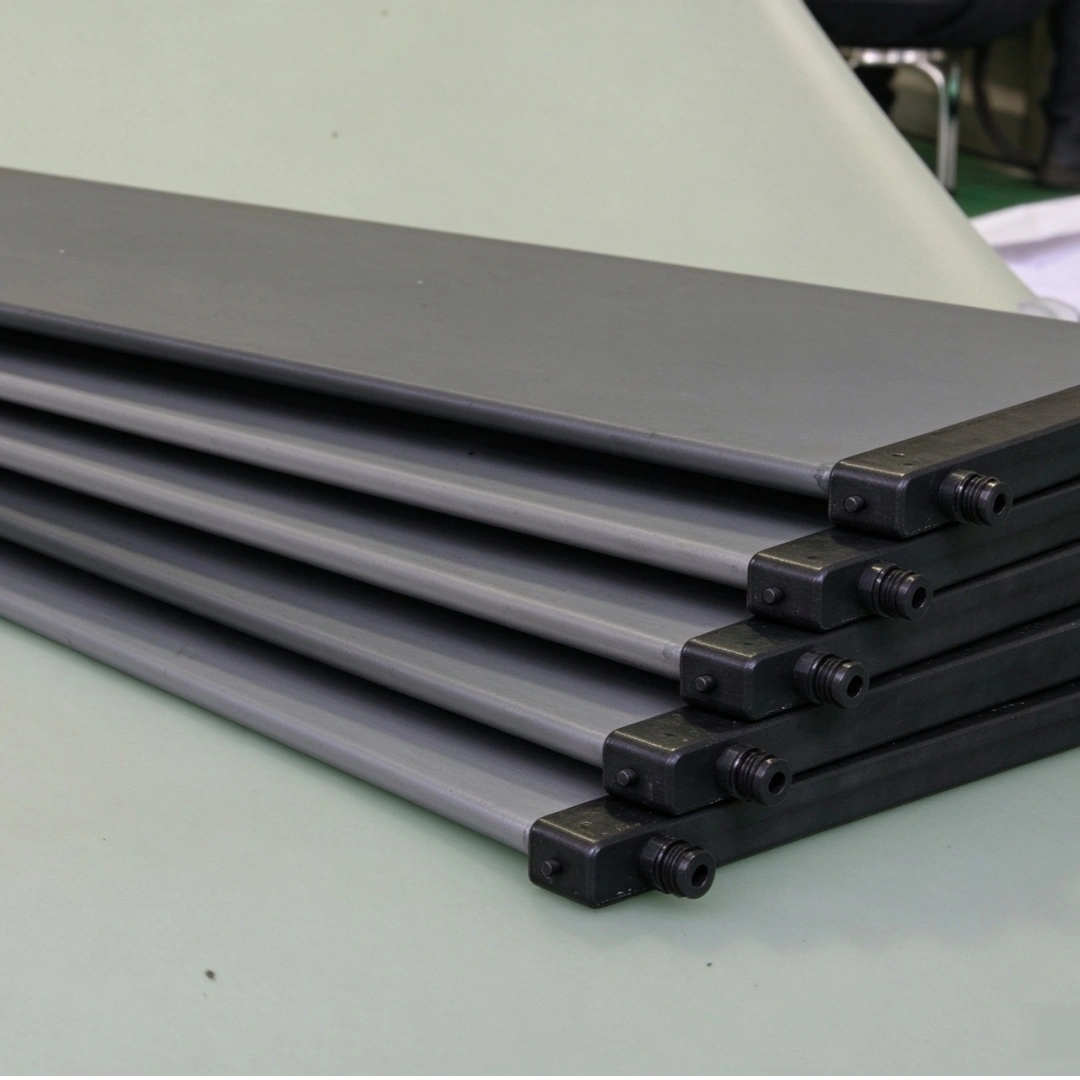
This series features high-purity recrystallized silicon carbide inorganic ceramic membranes high flux, available in both ceramic flat sheet membrane and ceramic membrane tube configurations. Breaking the material limitations of traditional alumina membranes, this product delivers intrinsic hydrophilicity, zero risk of membrane layer peeling, ultra-high flux, and exceptional chemical corrosion resistance. It is engineered specifically for harsh industrial wastewater treatment, material purification, and extreme alternating acid-alkaline operations.
I. Core Technical Advantages: Why Choose Recrystallized Silicon Carbide?
1. Integrated Sintering with Zero Risk of Delamination
Recrystallized silicon carbide (R-SiC) is manufactured via a solid-state pressureless sintering process at temperatures exceeding 2100°C. Fine particles dissolve, migrate, and reprecipitate on the surfaces of coarse grains. The membrane layer and the support substrate share the exact same material and are thermally fused into an integral unit. This completely eliminates the common delamination and peeling issues seen in traditional composite ceramic membranes at the structural level.
2. Pure Silicon Carbide Grain Boundaries for Ultimate Corrosion Resistance
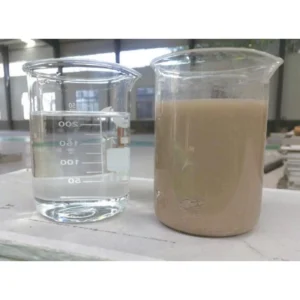
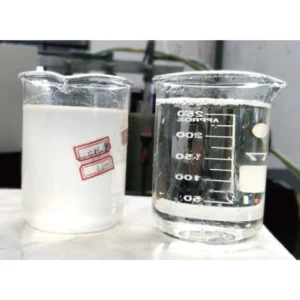
Produced completely without sintering aids or a glass phase, the material resists the vast majority of inorganic acids, organic acids, concentrated/dilute alkalis, and strong oxidizing agents (such as sodium hypochlorite and hydrogen peroxide). It maintains long-term stability under severe alternating acidic and alkaline conditions (e.g., concentrated hydrochloric acid, dilute sulfuric acid, caustic soda) with fluctuating pH levels.
3. Intrinsic Hydrophilicity for Higher Flux and Thorough Cleaning
Hydrophilicity is an intrinsic physical characteristic of silicon carbide grains, eliminating the need for post-treatment surface coating modifications (thus avoiding the hidden risks of coating aging and shedding).
-
Flux Advantage: Under identical operating conditions, stable flux is 30% to 80% higher than conventional alumina membranes.
-
Recovery Advantage: Chemical cleaning recovery rates can reach over 95% (compared to 75%–85% for alumina membranes), ensuring exceptionally low long-term flux decay. Standard air scouring or chemical washing quickly restores performance.
4. Flexible Filtration Precision and Form Factors
-
Precision Options: 0.04 μm (Ultrafiltration), 0.1 μm, 1 μm (Microfiltration).
-
Supply Options: Available as standalone membrane elements or complete turn-key ceramic membrane filtration system customized solutions.
II. Product Configurations and Technical Specifications
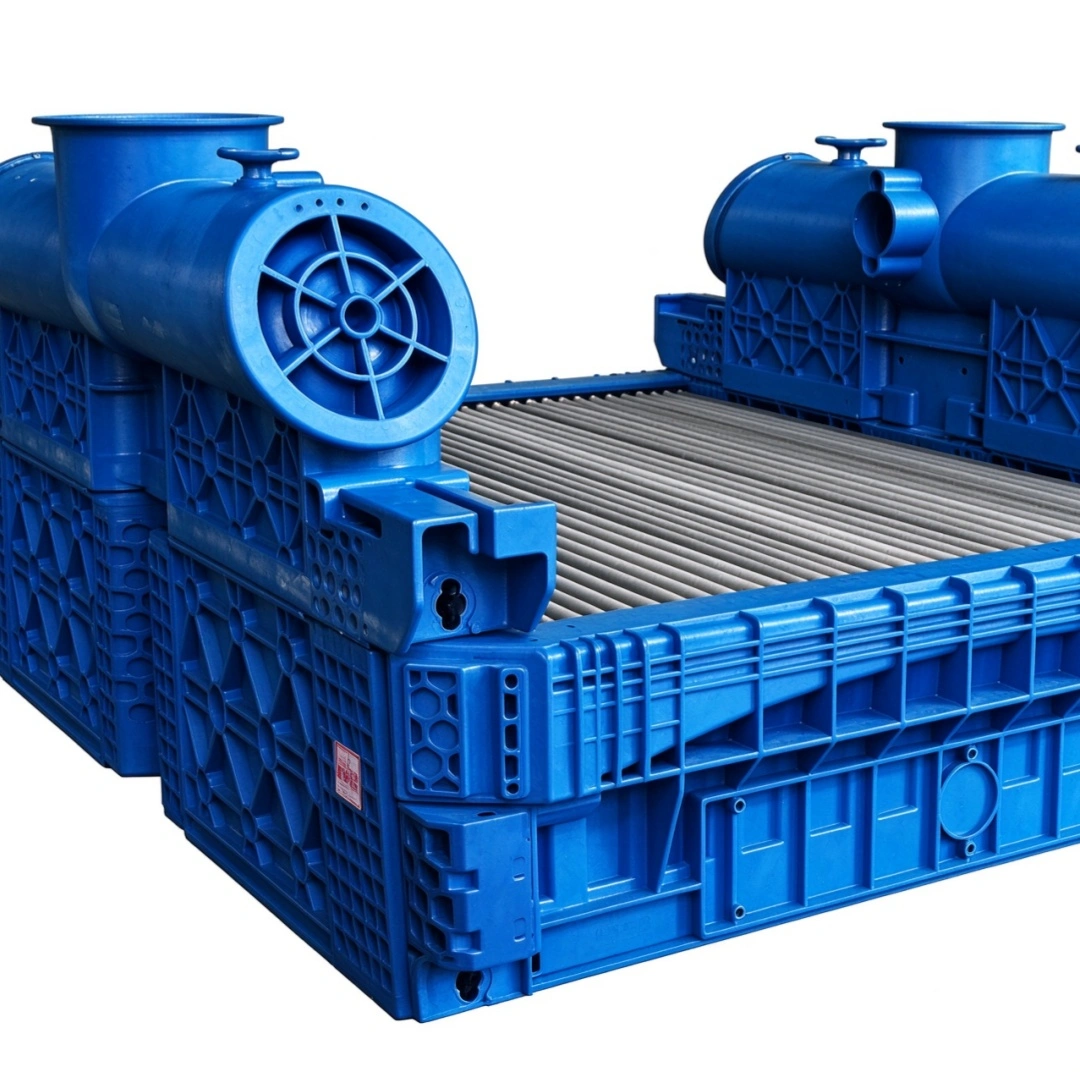
1. Ceramic Flat Sheet Membrane (Recrystallized Silicon Carbide)
Built with a modular plate-stacked structure featuring a compact footprint and small spatial requirement. Main cleaning is driven by air scouring, offering simple maintenance and flexible capacity expansion.
-
Applicable Scenarios: MBR biochemical treatment, water reuse, oil-water separation, conventional industrial wastewater purification, and drinking water pretreatment.
-
Performance Limits: Lower upper limit for single-element membrane area; not recommended for ultra-high suspended solids, heavy particle abrasion, or highly viscous slurries.
-
Flow Channel Advantage: Wide flow channels prevent sludge clogging, making it ideal for systems with high mixed liquor suspended solids (MLSS).
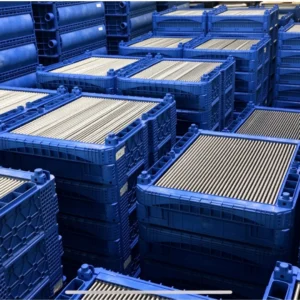
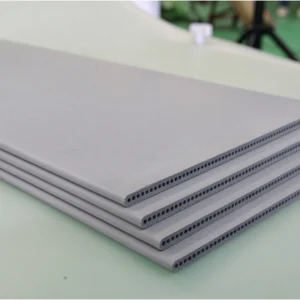
| Type | Length (mm) | Width (mm) | Single Membrane Area (m2) |
| B5516 | 550 | 160 | 0.17 |
| B7521 | 750 | 210 | 0.32 |
| B6517 | 650 | 170 | 0.22 |
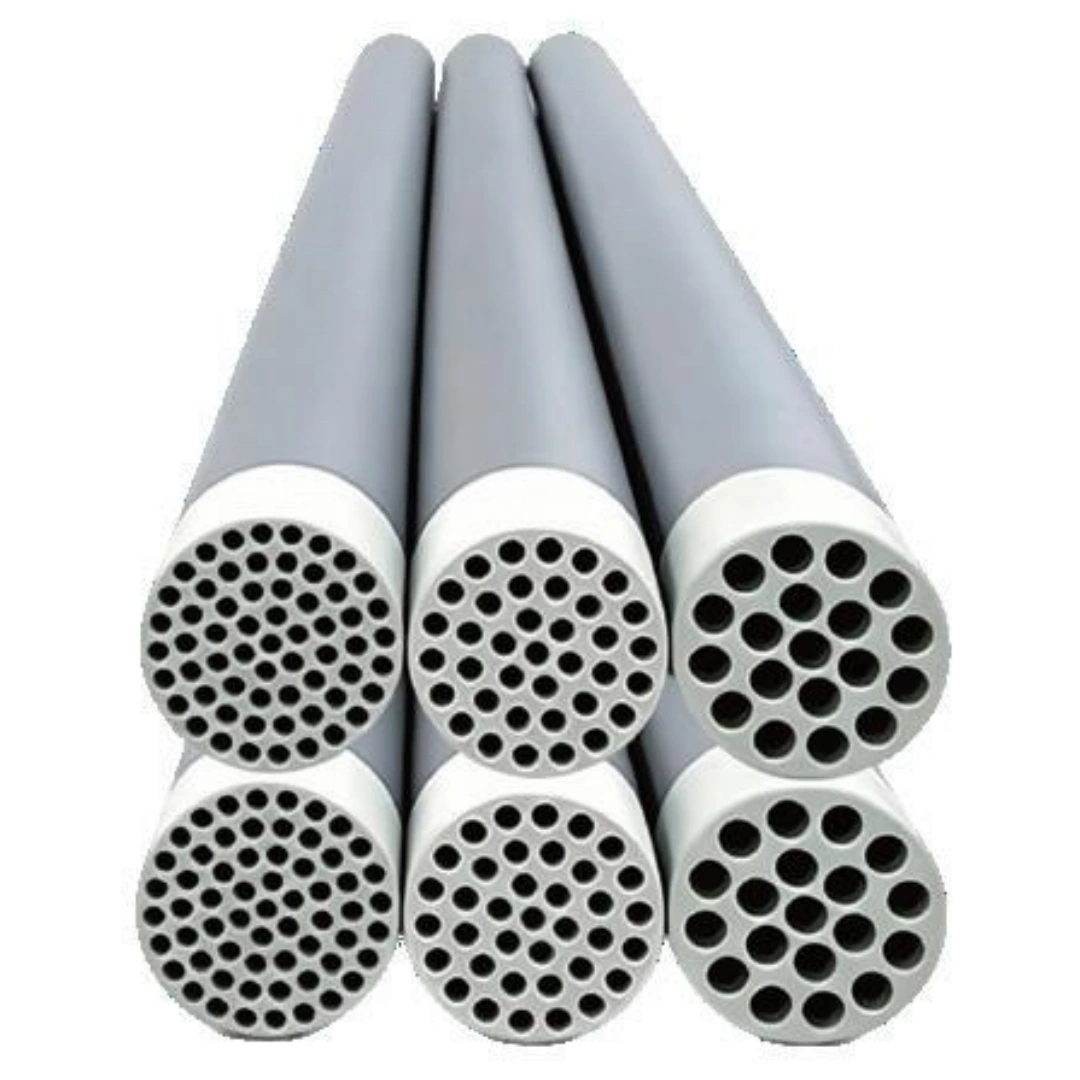
2. Ceramic Membrane Tube (Recrystallized Silicon Carbide Tubular)
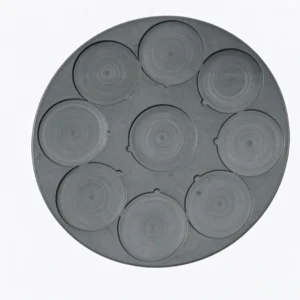
Designed with a multi-channel tubular structure, featuring wide and smooth internal flow channels that support high-speed cross-flow filtration.
-
Applicable Scenarios: New energy slurry washing, chemical pickling wastewater, high-solids wastewater, material purification, and hard-to-treat highly polluted liquid separation.
-
Performance Limits: Slightly larger footprint per unit capacity compared to flat sheets; cross-flow operation requires relatively higher energy consumption.
-
Flow Channel Advantage: Outstanding resistance to particle wear and fouling; specifically engineered for high suspended solid and high solid-content feedstocks.
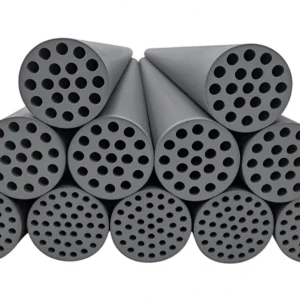
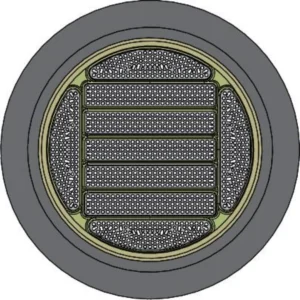
| Type | Channel Diameter | Length (mm) | Membrane Area (m2) |
| G30-19 | φ 4 mm | 1200 | 0.24 |
| G40-19 | φ 6 mm | 1200 | 0.43 |
| G40-37 | φ 4 mm | 1200 | 0.56 |
| G200-2.5 | φ 2.5 mm | 1200 | 15.1 |
| G200-3 | φ 3 mm | 1200 | 13.6 |
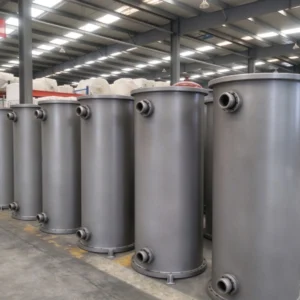
III. Matching Housing Casing Selection Guide
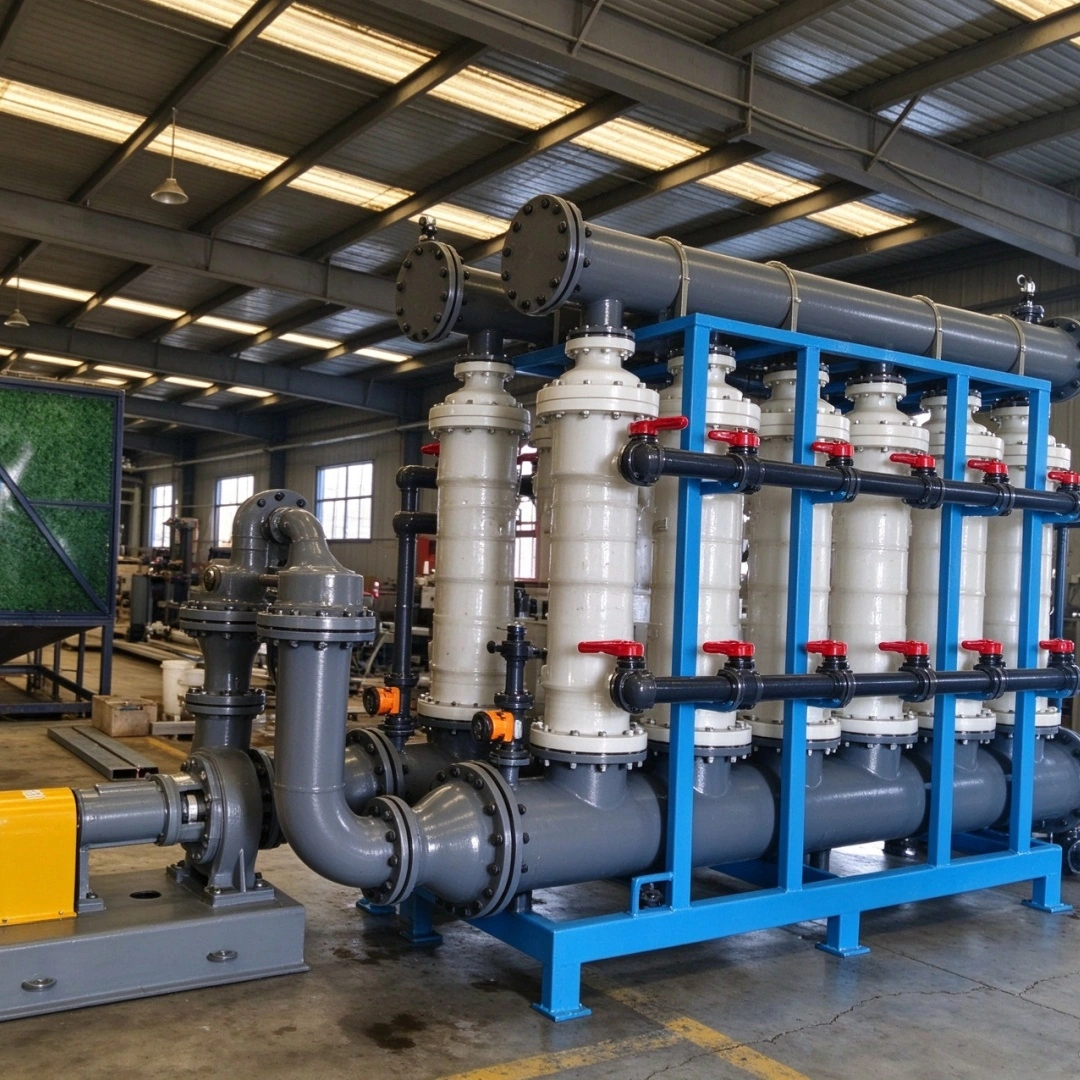
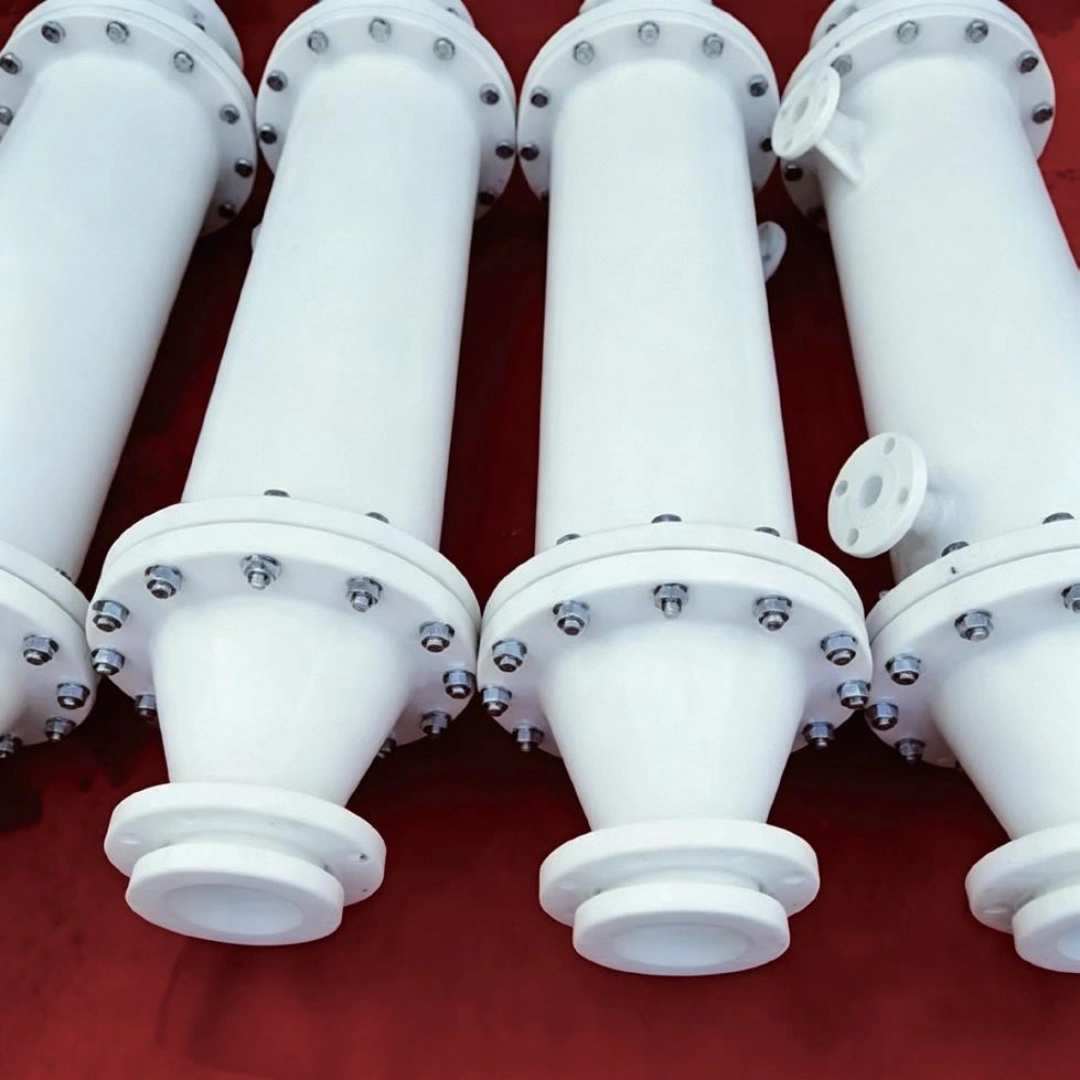
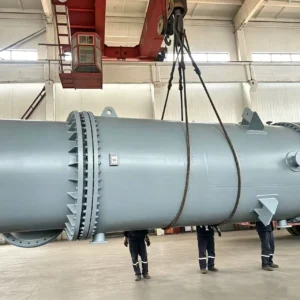
To accommodate varying media corrosiveness and operating temperatures on-site, we provide three housing material options:
-
Stainless Steel Housing: High mechanical strength and broad versatility. Ideal for ambient temperature, mild corrosion, and neutral conventional wastewater. Long-term operating temperature ≤ 80 ℃.
-
UPVC Housing: Cost-effective with good resistance to moderate acid and alkaline concentrations. Restricted to ambient temperature operations (recommended ≤ 55 ℃); not resistant to high temperatures or strong oxidizing agents.
-
Fiberglass Reinforced Plastic (FRP) Housing: Highly resistant to strong acids, alkalis, and diverse corrosive media. Prioritized for aggressive chemical wastewater applications with a recommended operating temperature ≤ 90 ℃.
IV. Typical Application Fields
-
Environmental Water Treatment: Chemical wastewater, mine water purification, water reuse, reverse osmosis pretreatment.
-
New Energy & Advanced Materials: New energy material washing and precursor purification.
-
Specialized Separation: Oil-water separation and high-pollution feed liquid separation.
Engineering Notes:
-
Flux comparison data represents historical industrial engineering experience statistics. Actual performance is subject to feed suspended solids (SS), temperature, and transmembrane pressure, and does not represent laboratory extreme limits.
-
Housing temperature ratings are engineering safety upper limits. Actual selection must comprehensively evaluate media concentration and chemical cleaning agents.
Reviews
There are no reviews yet.