
Graphite Launder Product Overview
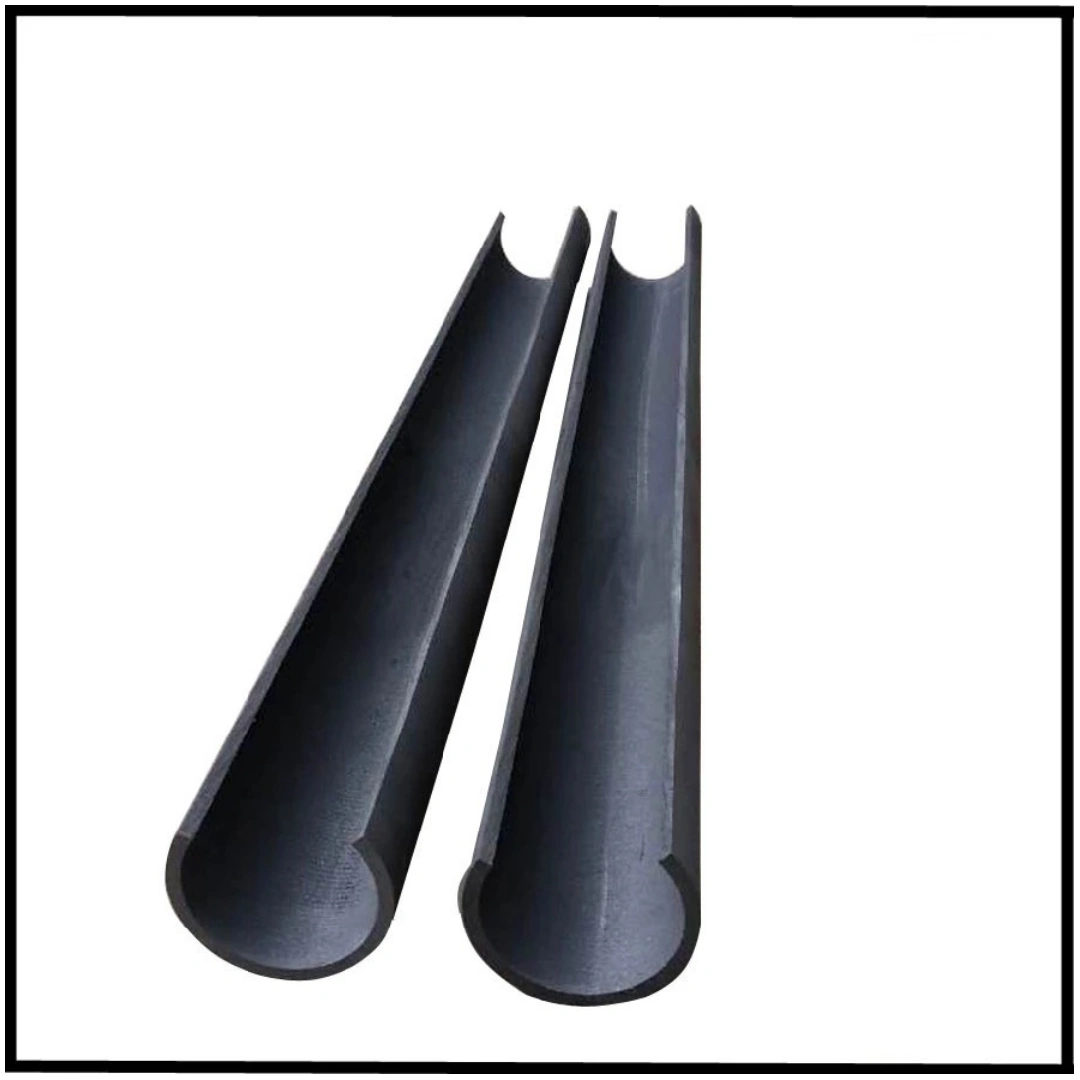
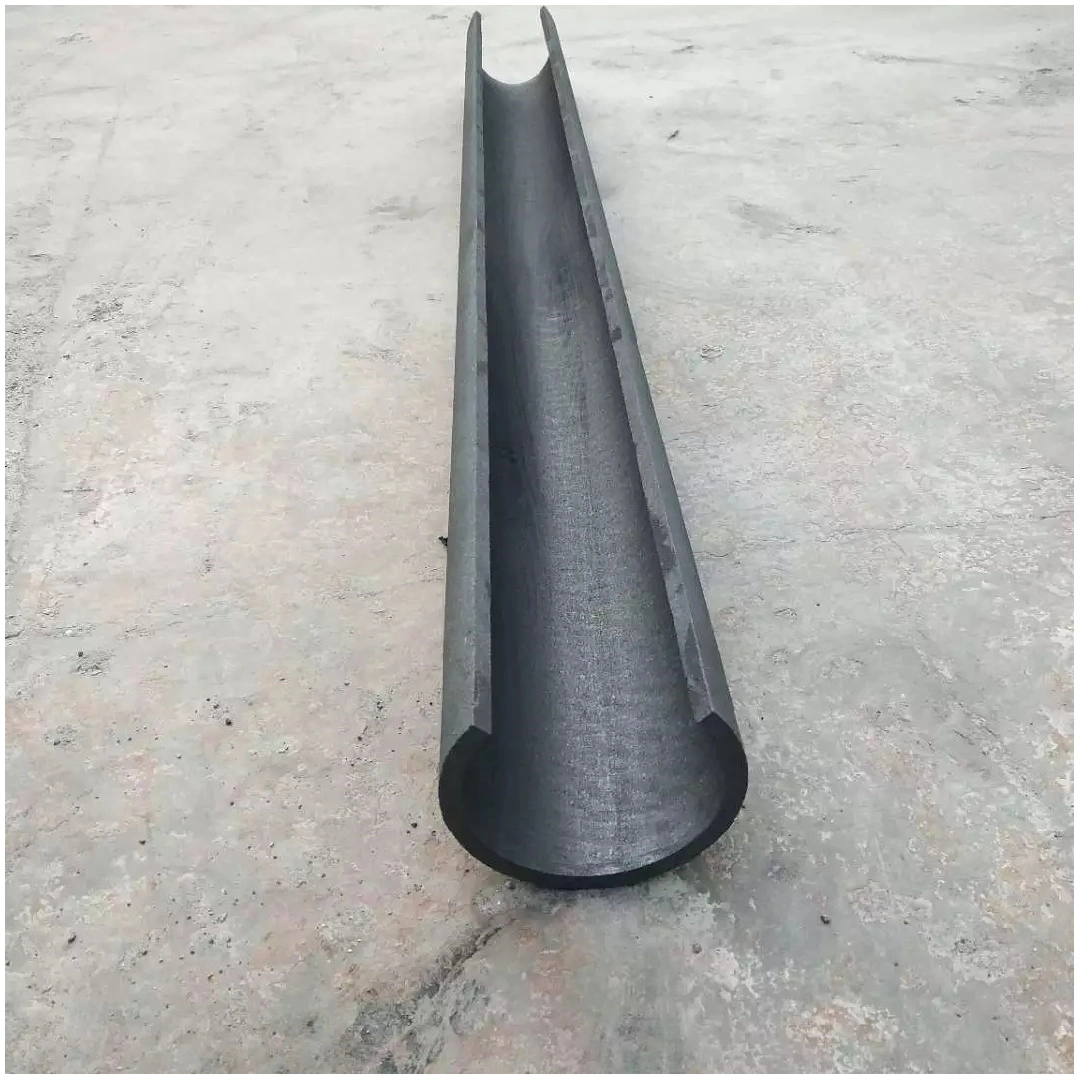
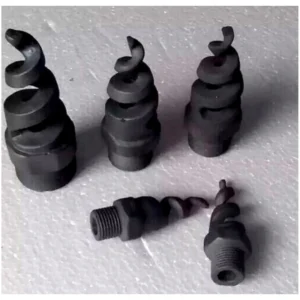
Graphite launder and graphite nozzle are diversion components for transferring molten non‑ferrous metals. They receive hot melt flowing out from crucibles and deliver molten metal smoothly. The design reduces melt turbulence and minimizes secondary metal oxidation. These graphite parts are widely used for casting and diversion of gold, silver and copper‑alloy melt. Since graphite is susceptible to oxidation at high temperature, protective atmosphere is recommended for high‑temperature working sections.
Structural Forms
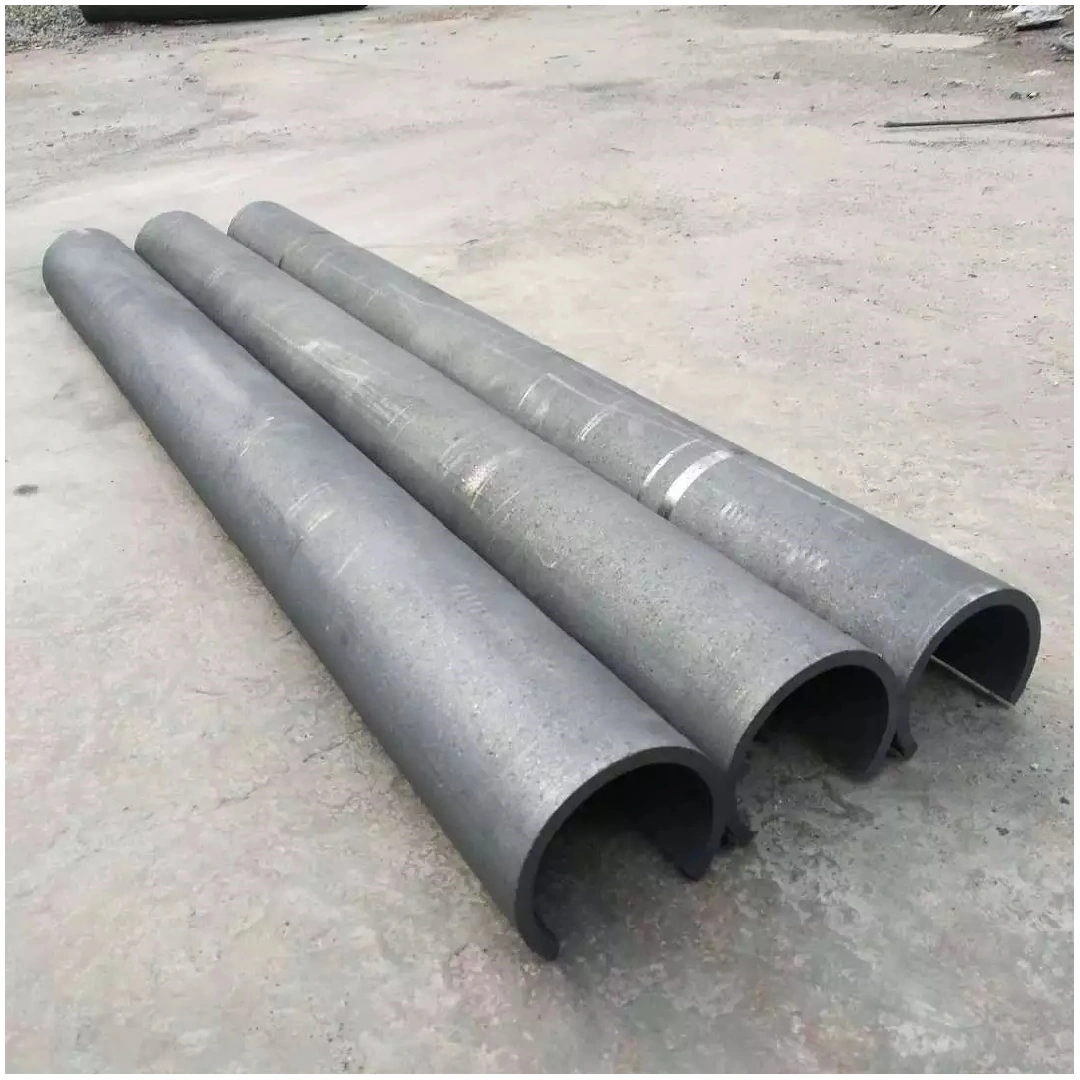
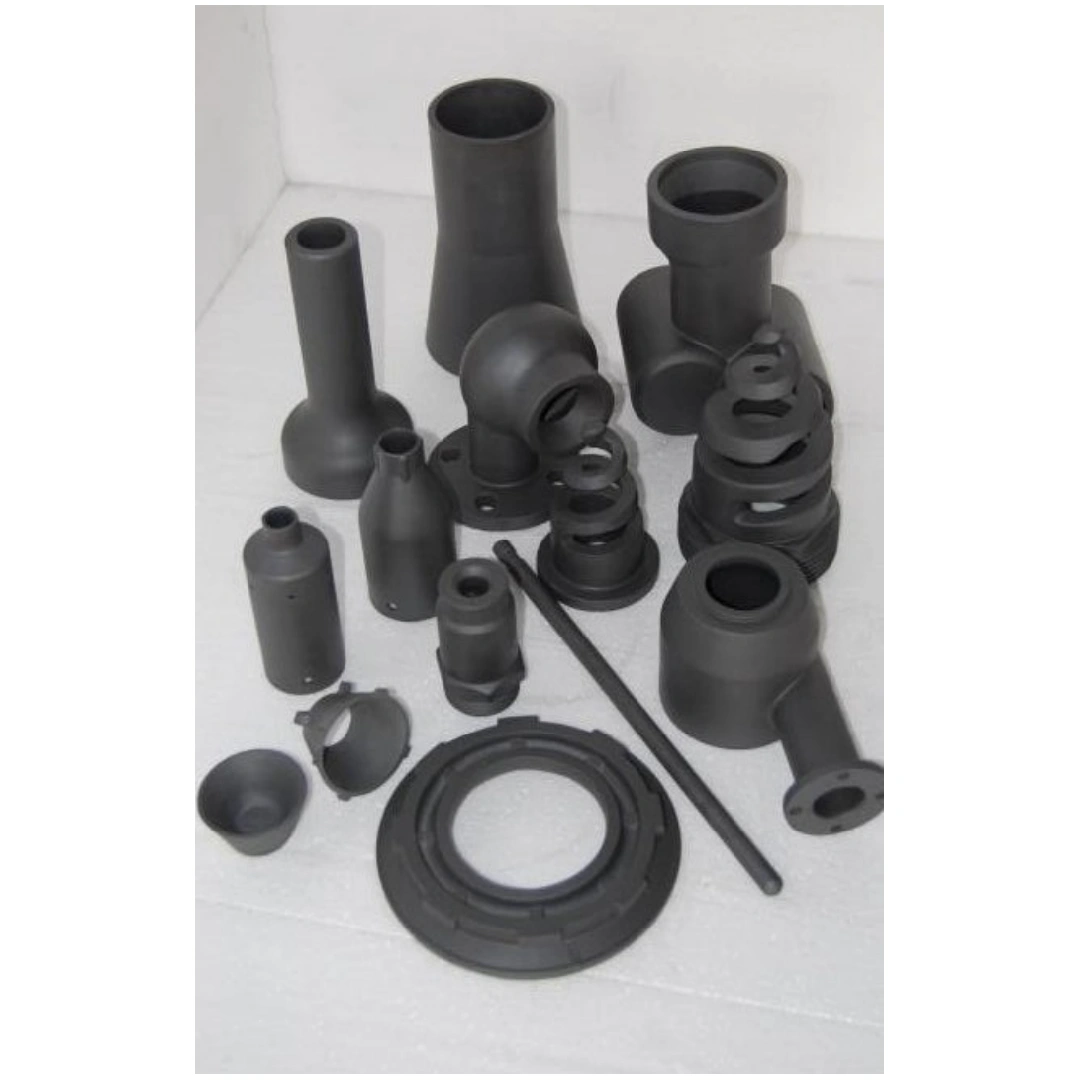
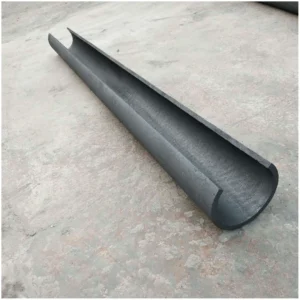
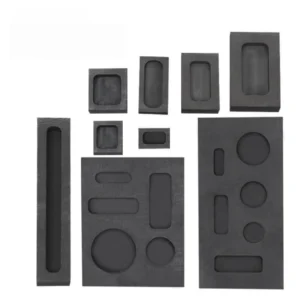
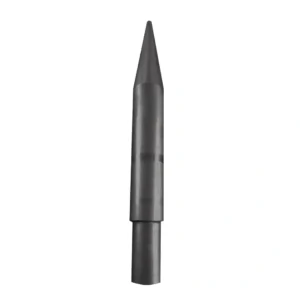
The graphite launder is a long grooved component, while the graphite nozzle serves as the end‑piece for melt outflow. Normally they work as a matched set. The channel gradient, cross‑section and outlet profile can be custom‑fabricated. Precision machining is performed on fine‑grained moulded graphite or high‑purity isostatic graphite blanks.
Key Product Features
Excellent high‑temperature resistance and chemical stability. The graphite will not react with molten gold, silver or copper‑alloy, preventing contamination of liquid metal during casting.
Smooth metal diversion to reduce splashing and oxidation. Internal flow passages are machined with rounded transitions, which suppress melt turbulence and splashing, helping to limit secondary oxidation of molten metal.
Moderate thermal conductivity to prevent flow blockage. Graphite maintains suitable temperature for flowing melt and reduces the risk of premature solidification inside the channel.
High flexibility for custom production. Total channel length, cross‑section dimension and outlet shape can be machined according to actual casting flow‑rate and on‑site process requirements.
Product Limitations
Above 500℃, graphite oxidizes rapidly in oxygen‑containing surroundings. Inert protective atmosphere is strongly suggested for high‑temperature casting operations.
Graphite is inherently brittle. Impacts against channel edges should be avoided during handling and on‑site assembly.
Continuous scouring by flowing hot molten metal gradually wears the inner channel surface. These are consumable spare parts for casting stations.
Material Selection & Application Notes
Material grade selection. For standard copper‑alloy and general precious‑metal casting, fine‑grained moulded graphite with multiple impregnation and baking processes delivers favourable cost‑performance. For stringent precious‑metal casting with strict impurity control, upgrade to high‑purity isostatic graphite. Extruded graphite is not suitable for launder and nozzle production due to obvious anisotropy and inconsistent thermal deformation.
Purity requirements. When handling molten gold, silver, platinum or palladium, select high‑purity or ultra‑high‑purity low‑ash graphite blanks to avoid precious‑metal contamination.
Working‑condition adaptation. For high‑flow casting with intense melt scouring, choose high‑density graphite material to reduce penetration of molten metal into pores. Inert shielding atmosphere is recommended for high‑temperature casting cycles.
Assembly specifications. Install the graphite launder following designed channel gradient. Even supporting‑point loading prevents thermal warpage. All butt‑joint sections between segments shall be smoothly finished to avoid trapped residual molten metal.
Machining requirements. Inner flow surfaces are precision‑machined. Internal corners adopt rounded transitions to decrease melt turbulence and stress concentration. Outlet edges of graphite nozzles are chamfered to reduce metal hang‑up during pouring.
Reviews
There are no reviews yet.