
I. Product Functions
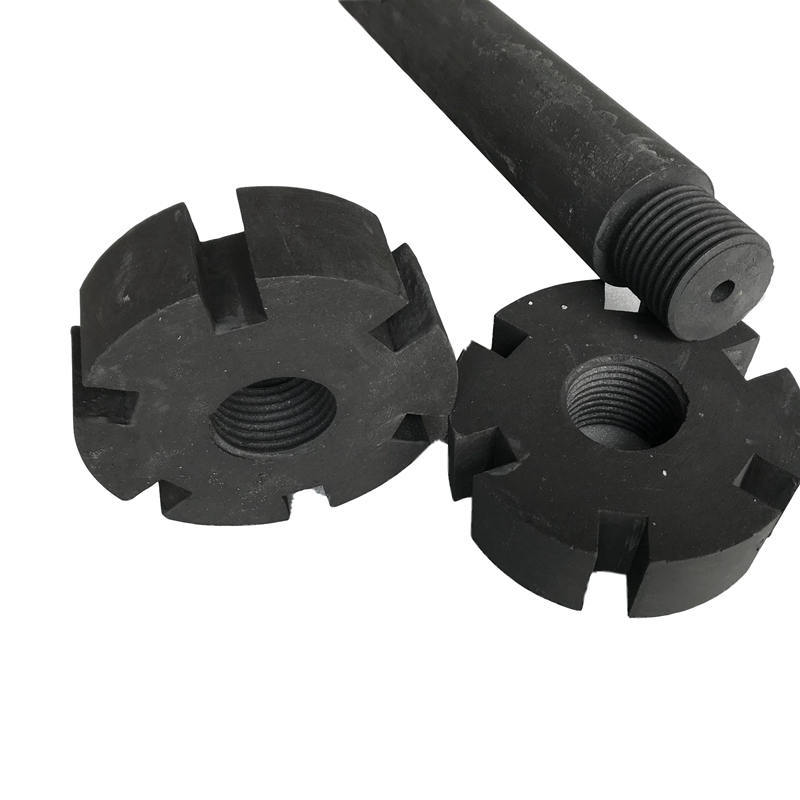
Graphite rotors are the core consumable components of degassing and purification equipment in aluminum alloy melting and casting production lines. The hollow inner cavity of the graphite rotor is fed with nitrogen or argon. The impeller rotates at high speed to break the inert gas into a large number of fine bubbles, completing stirring and dispersion inside the molten aluminum, removing hydrogen from the molten aluminum, and simultaneously adsorbing and removing oxide inclusions to achieve deep purification of the molten aluminum. They are widely suitable for various aluminum alloy continuous casting in-line degassing stations, such as recycled aluminum casting, aluminum alloy wheels, aluminum profiles, aluminum slabs, and aluminum castings.
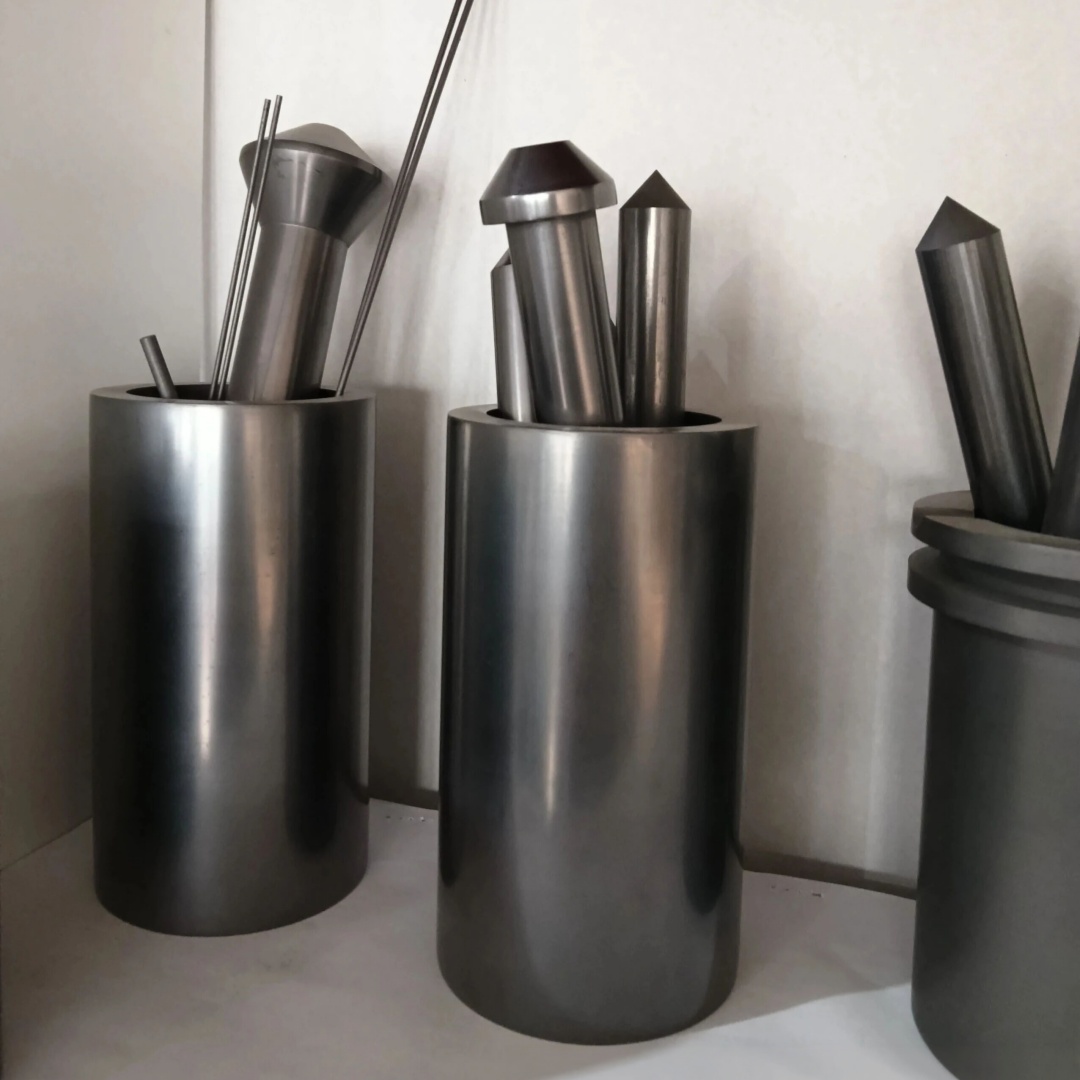
Ordinary graphite rotors are highly prone to oxidation burning, shaft diameter thinning, fracture, and shutdown in high-temperature oxygen-containing environments, resulting in high consumable loss and frequent replacement. This product adopts vacuum impregnation anti-oxidation pretreatment + surface SiC silicon carbide ceramic coating dual composite anti-oxidation technology. It comprehensively blocks high-temperature oxidation and scouring wear from inside the substrate and the surface layer, greatly extending the service life of graphite rotors and effectively reducing spare parts costs and production line shutdown losses for aluminum plants.
II. Structural Forms
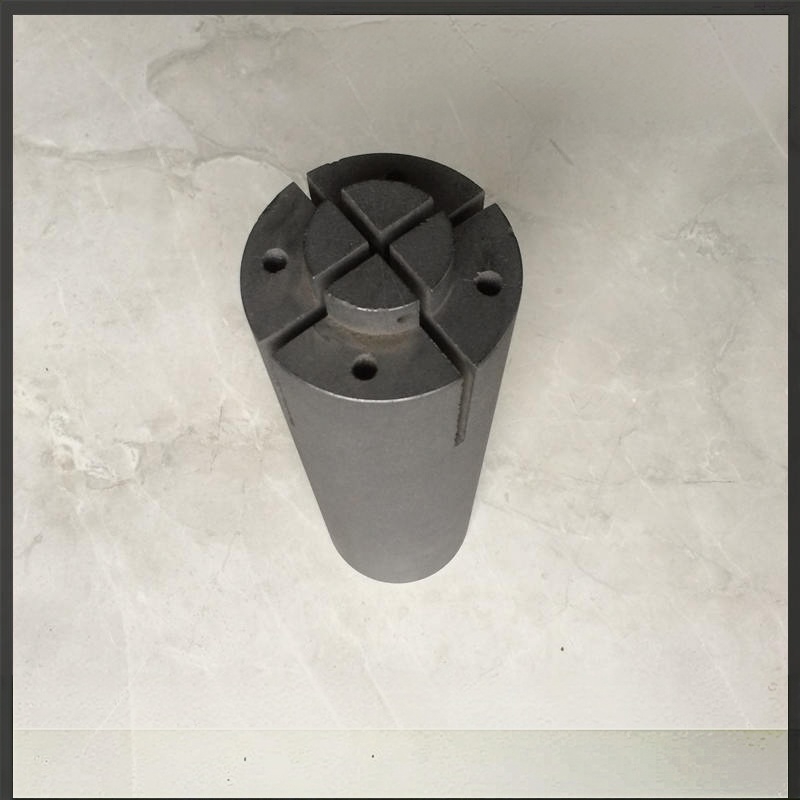
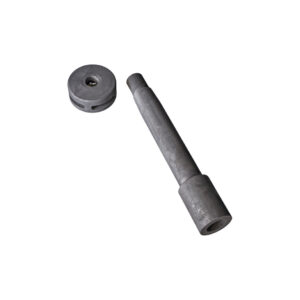
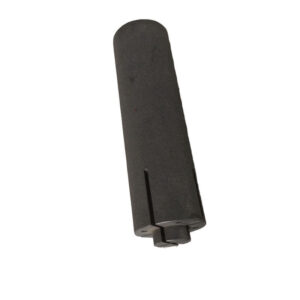
The complete stirring rotor is precision-machined in one piece from a hollow graphite main shaft and a lower stirring impeller. A through gas passage is set in the center of the main shaft to stably deliver inert gas. The graphite rotor vanes can adopt various structures such as cross blades, multi-slot radial type, and wide-blade stirring type according to equipment models and process requirements. The overall structure has high strength, uniform gas output, and good stirring and dispersion effects.
The full series supports non-standard customization and can be precision-machined strictly according to customer drawings, adapting to the installation dimensions of various domestic and foreign in-line degassing equipment without modifying equipment interfaces, for direct in-situ replacement.
III. Product Features
-
Dual composite anti-oxidation process (impregnation + SiC silicon carbide coating)
Adopts an industry high-durability protection process: first, vacuum anti-oxidation impregnation completely seals the internal micropores of the graphite matrix, blocking oxygen penetration channels and solving internal substrate oxidation; then, a dense SiC silicon carbide ceramic coating is high-temperature sintered on the entire surface of the rotor. The dual protection complements each other, avoiding the defects of single coating cracking and penetration and single impregnation not resisting scouring. It effectively resists 700°C+ high-temperature air oxidation and high-speed molten aluminum scouring wear, greatly improving durability. -
High-density graphite substrate, high strength, not easy to break
Uses high-purity dense graphite raw material with excellent flexural strength and structural stability, formed in one piece without splicing. Under high-speed rotation, it has strong vibration resistance and fracture resistance. The graphite material does not wet molten aluminum and does not precipitate impurities, ensuring molten aluminum purity and not affecting aluminum quality. -
Stable graphite rotor degassing effect, fine and uniform bubbles
The impeller structure is optimized by fluid design. High-speed rotation can cut the inert gas into fine and uniform bubbles, with a large gas-liquid contact area and high hydrogen removal efficiency. It can effectively reduce the porosity of molten aluminum, reduce oxide inclusions, and improve the quality of aluminum alloy castings. -
Full-size non-standard customization, adaptable to all models
The main shaft length, outer diameter, gas hole diameter, impeller structure, and dimensions can be customized according to customer equipment models, rotation speed, molten pool depth, and processing tonnage, fully adapting to new and old production lines. -
Complete documents, traceable delivery
Can provide raw material certificates, dimensional inspection reports, and process quality inspection records, meeting factory equipment archiving, quality control, and production inspection needs. -
Professional shock-proof reinforced packaging
In view of the brittleness of graphite, solid wood frame + buffer protection packaging is used to prevent transportation collisions, edge chipping, and cracks, ensuring spare parts arrive intact and can be directly used on the machine.
Product Limitations
-
Graphite material is brittle. Knocking and impact are strictly prohibited during handling and installation. Cold rotors must not be directly put into high-temperature molten aluminum; they must be fully preheated to prevent thermal shock cracking.
-
The SiC coating can greatly delay oxidation loss, but it cannot completely eliminate slight loss under extreme over-temperature and long-term liquid level alternating conditions. The liquid level interface is a normal wear area and requires regular inspection.
-
Production operations must follow the specification of “gas on before lowering the rotor; lift the rotor before stopping gas” to avoid molten aluminum backflow blocking the gas holes and causing rotor scrapping.
IV. Core Performance Indicators
-
Material grain size: The full series is equipped with 0.7–1.2 mm grain size graphite substrates, covering compacted graphite and isostatic high-purity graphite. For conventional mass production conditions, compacted graphite is selected for high cost performance; for 24h continuous production and high-temperature demanding conditions, isostatic graphite is selected, with stronger density, thermal shock resistance, and anti-oxidation substrate performance.
-
Resistivity: 8–15 μΩ·m. The substrate has a uniform structure, good thermal stability, and is not easily deformed at high temperatures.
-
Applicable working condition parameters: Suitable for molten aluminum temperature 700–780°C, conventional working speed 200–450 r/min, adapting to various industrial in-line degassing and holding furnace refining conditions.
-
Anti-oxidation process standard: Vacuum impregnation seals internal pores + surface high-temperature sintered SiC silicon carbide ceramic coating. Dual protection. Compared with ordinary unprotected graphite rotors, the service life is increased several times.
V. Customization Service Model
Focusing on precise customization and durability process upgrading of graphite rotors for molten aluminum stirring, two cooperation modes are supported:
-
Drawing-based custom machining: Customers provide detailed equipment drawings, installation dimensions, and structural requirements. We complete precision machining, vacuum impregnation anti-oxidation, SiC coating sintering, and finished product inspection as a one-stop delivery.
-
Working condition parameter custom development: According to customer molten aluminum processing capacity, equipment speed, molten pool depth, and working temperature, we assist in matching impeller structure and rotor specifications, and customizing highly adaptable and long-life dedicated stirring rotors.
VI. Material Selection Standards and Precautions
-
Forming material selection
For conventional aluminum alloy refining conditions, 0.7–1.2 mm grain compacted graphite is selected, with high cost performance and stable structure. For continuous high-temperature and high-load production lines, isostatic high-purity graphite is preferred, with better thermal shock resistance, penetration resistance, and deformation resistance. Loose extruded graphite has excessively large pores and is prohibited for stirring rotor production, as it easily causes early oxidation failure. -
Core protection process description
The composite process of impregnation sealing + SiC coating must be adopted: coating alone leaves substrate micropores unsealed, and once cracks appear, oxidation will rapidly proceed inward; impregnation alone without a ceramic surface layer cannot resist molten aluminum scouring wear. The combination of the two processes is the core key to long-term durability. -
Working condition adaptation requirements
Try to keep the production liquid level stable, reduce frequent hot-cold alternation of the rotor rod at the interface between air and molten aluminum, avoid micro-cracks in the coating, and extend equipment service life. -
Assembly and operation specifications
Ensure the coaxiality of the main shaft transmission during installation to avoid eccentric wobbling. Fully preheat before use; cold rotors must not be put into high-temperature molten aluminum. Strictly implement the gas on/off sequence to prevent hole blockage and aluminum infiltration damaging the rotor. -
Machining process requirements
The main shaft gas holes should be smooth and unobstructed, with no blockage or burrs. Impeller blades should have rounded transitions to reduce scouring stress. First machine and finish, then impregnate and sinter the coating, ensuring finished product dimensional accuracy and protective layer bonding strength.
Reviews
There are no reviews yet.